

Parent-Teen Driving Contract: What to Include (Free Official Templates)
A parent-teen driving contract puts your family's driving rules in writing. See what to include and get free templates from the CDC and state DMVs.
Bianca Galvan
Product & Content at GetMyPermit
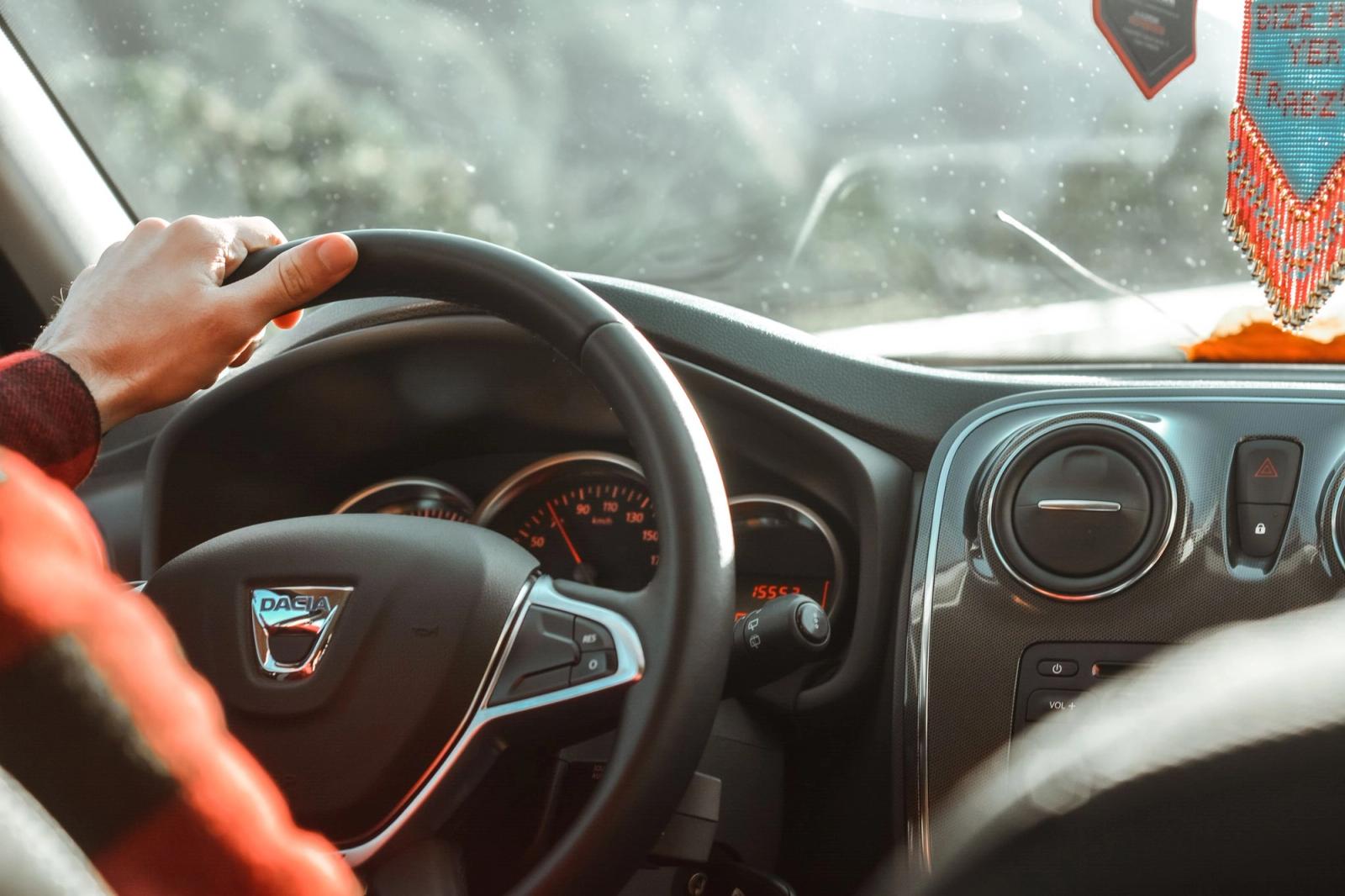
A parent-teen driving contract is a written agreement that lists your family's driving rules, what your teen promises to do, and what happens if a rule is broken. It should cover phones, passengers, night driving, seat belts, alcohol and drugs, speeding, consequences, and how privileges grow over time. The CDC and several state agencies offer free templates you can print today.
What is a parent-teen driving contract?
It's a short document that you and your teen fill out, discuss and sign together. The New York Governor's Traffic Safety Committee describes it as a formal agreement that sets the rules parents and teens agree to follow and the consequences for breaking them.
Most official templates work the same way:
- Teen promises: rules like wearing a seat belt, no phone while driving and no alcohol or drugs.
- Restrictions: limits on night driving, passengers, weather or certain roads for a set period.
- Consequences: how long your teen loses driving privileges if a rule is broken.
- Parent promises: commitments such as being a good role model and picking your teen up when they need a safe ride.
- Signatures and a review date: so everyone knows the deal can change as your teen gains experience.
A contract isn't a legal document and no state requires one. It's a family tool. Your state's graduated driver licensing (GDL) rules are the law, and a contract adds your own rules on top of them.
Why do the CDC and NHTSA recommend a driving contract?
Both agencies push parents to put driving rules in writing because teens are new to the road and parents have real influence over how they drive.
NHTSA's teen driving page tells parents to set ground rules when their teen starts driving and to write down the consequences for breaking them in a parent-teen contract, pointing to the CDC's agreement as an example. It also suggests hanging the contract by the car keys or near the front door. According to NHTSA, teens whose parents set driving restrictions and model good driving tend to take fewer risks and are involved in fewer crashes.
The CDC's Parents Are the Key campaign offers its own Parent-Teen Driving Agreement and suggests keeping it on the fridge and updating it as your teen gains experience and more privileges.
The numbers explain why the rules matter:
- NHTSA reports that 2,320 people were killed in crashes involving a teen driver (ages 15 to 18) in 2024.
- In 2024, 51% of teen drivers who died were not wearing a seat belt, according to NHTSA.
- Speeding was a factor for 33% of teen passenger vehicle drivers in fatal crashes in 2024 (NHTSA).
- The CDC reports that in 2020, 44% of teen crash deaths (ages 13 to 19) happened between 9 pm and 6 am.
- The CDC also says each additional passenger increases crash risk for unsupervised teen drivers.
What should a teen driving contract include?
These are the topics that show up in the official templates from the CDC, NHTSA guidance and state agencies. Pick the ones that fit your family and fill in your own limits.
Phones and other distractions
The CDC agreement asks teens to promise they will never text while driving and never talk on the phone, including hands-free or speakerphone. It also lists not eating or drinking while driving and not using headphones or earbuds. NHTSA recommends prohibiting phone and electronic device use while driving.
A simple version: the phone stays out of reach while the car is moving, and your teen pulls over safely if they need to use it.
Passengers
NHTSA says teen drivers were 2.5 times more likely to do one or more risky things with one teen passenger than when driving alone, and three times more likely with multiple passengers. The CDC template has a blank for how many teen passengers your teen can carry, and for how many months, unless a responsible adult is in the car.
If your state's GDL law already limits passengers, your contract should at least match it. NHTSA suggests setting your own passenger rule if your state doesn't have one.
Night driving
The CDC template includes a line for a driving curfew ("I will not drive after ___ pm") for a set number of months. Georgia's Department of Driver Services (DDS) agreement suggests starting with a curfew of sundown or 9 pm and moving it later in stages. If your teen is still on a permit, see our guide on whether you can drive at night with a learner's permit.
Seat belts
Every official template includes a seat belt rule, and most extend it to passengers: the teen buckles up and makes sure everyone in the car does too. NHTSA recommends requiring seat belt use at all times, in the front seat and the back, on every trip.
Alcohol and drugs
Templates cover three things here:
- Never drive after using alcohol or drugs.
- Never ride with a driver who has been drinking or using drugs.
- Call home for a safe ride if your teen can't get home safely.
NHTSA reminds parents that drivers under 21 should have a blood alcohol concentration of .00, not just under .08. It also recommends making sure your teen knows you will pick them up regardless of time or location. The California DMV contract has a parent promise to come get your teen at any hour from any place, with no questions asked, and to talk about it later.
Speeding and traffic laws
The California DMV contract asks teens (and parents) to promise not to drive aggressively, such as speeding, tailgating or cutting others off. The CDC agreement includes staying within the speed limit and never using the car to race or impress others.
Check-ins and trips
Several templates ask teens to say where they're going, who's riding with them and when they'll be back. The California DMV contract asks teens to call if plans change and to let a parent know if they'll be more than 30 minutes late. Georgia DDS makes "check in with parent every time you drive" its first rule.
Car costs and upkeep
The California DMV contract has a section where you write down what your teen pays for (fuel, insurance, damage, maintenance, fines and more) and which upkeep tasks they handle, like checking tire pressure, refueling when the tank is below a quarter full and keeping the car clean. The CDC agreement has a similar line about contributing to gas, maintenance and insurance. If you're still choosing a vehicle, see our guide to the safest cars for teen drivers.
Consequences
A rule without a consequence is just a suggestion. The CDC template lists specific violations, like texting, driving after curfew, too many passengers or not wearing a seat belt, each with a blank for how many weeks or months of no driving. The Wisconsin DOT contract adds a blank after every rule for days or months of lost driving privileges.
NHTSA suggests consequences such as suspending driving privileges, limiting the hours or places your teen can drive, or limiting phone access. Decide on them together before your teen ever drives alone, so there are no surprises later.
Privileges added over time
Good contracts aren't permanent. The CDC agreement states that restrictions will be loosened as your teen gains experience and shows they drive responsibly.
Georgia DDS has the most detailed version, an unsupervised driving privileges chart with four checkpoints:
- Checkpoint 1 (first 1 to 3 months after licensure): curfew at sundown or 9 pm, no teen passengers, dry weather only, neighborhood roads.
- Checkpoint 2 (next 1 to 3 months): 10 pm curfew, one teen passenger (sometimes more) in daytime, local roads in daytime.
- Checkpoint 3 (next 3 to 6 months): 11 pm curfew, all roads except highways in daytime.
- Checkpoint 4 (next 3 to 6 months): midnight curfew, most roads in daytime, most weather conditions in daytime.
Before moving to the next checkpoint, Georgia DDS suggests a quick check: did your teen follow their privileges, improve their skills and judgment, obey traffic laws, check in before driving and avoid unnecessary risks?
Where can you get a free official parent-teen driving contract?
These templates come from government agencies and are free to print or fill out. You can use any of them, no matter which state you live in.
- CDC Parents Are the Key: Parent-Teen Driving Agreement (PDF). Two pages, co-branded with the American Academy of Pediatrics. It has checkbox promises, time-limited restrictions (curfew, passengers, bad weather, off-limit roads), a penalties section and a parent promise to be a good role model. It's the one NHTSA points parents to. CDC agreement page.
- California DMV: Parent-Teen Driving Contract (PDF). One page with side-by-side teen and parent responsibilities to initial, plus a vehicle costs and maintenance section. It's linked from the DMV's Teen Driver Tips page. For California permit rules, see the California practice test page.
- New York DMV: Parent/Teen Contract (PDF). A fillable one-page form with teen rules, parent commitments and a promise to follow New York's Graduated Licensing Law. The consequence for breaking a rule is lost driving privileges for a period the parent sets based on how serious it was. It's linked from the DMV's Information for Parents page.
- New York Governor's Traffic Safety Committee: Parent/Teen Contract online form. You pick the rules on the web page and each of you gets a copy of the pledge by email to print and post at home. New York families can also find state info on the New York practice test page.
- Georgia DDS: Parent-Teen Driving Agreement. Part of Georgia's 40 Hour Parent/Teen Driving Guide, with the four-checkpoint privileges chart, three core driving rules and example violations with blanks for consequences. See also the Georgia practice test page.
- Wisconsin DOT: Parent-Teen Driving Contract (PDF). Eight numbered rules, each with its own consequence blank, and a date to review the contract together. See also the Wisconsin practice test page.
If your state's DMV doesn't publish its own version, the CDC agreement is a good default. Check your state's GDL rules and make sure your contract is at least as strict.
How do you set up the contract with your teen?
The official guidance points to the same simple process:
- Talk first. The CDC suggests working with your teen to outline the hazards to avoid and the consequences for breaking rules. New York's online form starts by asking families to talk about the rules and the state's GDL law.
- Fill it in together. Go through each rule, choose your limits and agree on consequences. Leave room for "additional rules" that fit your family.
- Sign it. Both the teen and the parent or guardian sign and date it.
- Post it. The CDC suggests the fridge. NHTSA suggests near the car keys or the front door.
- Set a review date. The Wisconsin DOT and Georgia DDS templates both include one. Loosen restrictions when your teen earns it.
- Keep your side of the deal. Most templates include parent promises. NHTSA notes that teens learn most from watching their parents drive, so follow the same phone, seat belt and speed rules yourself.
When should you start a driving contract?
Many families sign one before their teen's first solo drive, because that's when restrictions and consequences matter most. Some start earlier, during the permit stage, so expectations are clear from the beginning.
If your teen is still learning, our guide for parents on how to teach someone to drive covers practice sessions and coaching, and how long you have to have your permit covers holding periods and supervised hours by state. If your teen hasn't taken the written test yet, they can use practice tests to study for your permit test.
Sources
- Parent-Teen Driving Agreement (CDC)
- Parent-Teen Driving Agreement PDF (CDC and American Academy of Pediatrics)
- Risk Factors for Teen Drivers (CDC)
- Teen Driving (NHTSA)
- Parent-Teen Driving Contract (California DMV)
- Teen Driver Tips (California DMV)
- Parent/Teen Contract (New York State DMV)
- Information for Parents (New York State DMV)
- Parent/Teen Contract (New York Governor's Traffic Safety Committee)
- Parent-Teen Driving Agreement (Georgia Department of Driver Services)
- Parent-Teen Driving Contract (Wisconsin Department of Transportation)
Free permit practice test for your state
Ready to check what you know? Take a free 10-question test from your state's driver handbook, with every answer explained. No sign-up needed. See questions and pass marks for every state.
- Alabama
- Alaska
- Arizona
- Arkansas
- California
- Colorado
- Connecticut
- Delaware
- Florida
- Georgia
- Hawaii
- Idaho
- Illinois
- Indiana
- Iowa
- Kansas
- Kentucky
- Louisiana
- Maine
- Maryland
- Massachusetts
- Michigan
- Minnesota
- Mississippi
- Missouri
- Montana
- Nebraska
- Nevada
- New Hampshire
- New Jersey
- New Mexico
- New York
- North Carolina
- North Dakota
- Ohio
- Oklahoma
- Oregon
- Pennsylvania
- Rhode Island
- South Carolina
- South Dakota
- Tennessee
- Texas
- Utah
- Vermont
- Virginia
- Washington
- West Virginia
- Wisconsin
- Wyoming