

Safest Cars for Teen Drivers: What to Look For
The safest cars for teens are newer, larger cars with top NHTSA safety ratings, key safety features and no open recalls. Here's how to check any car.
Bianca Galvan
Product & Content at GetMyPermit
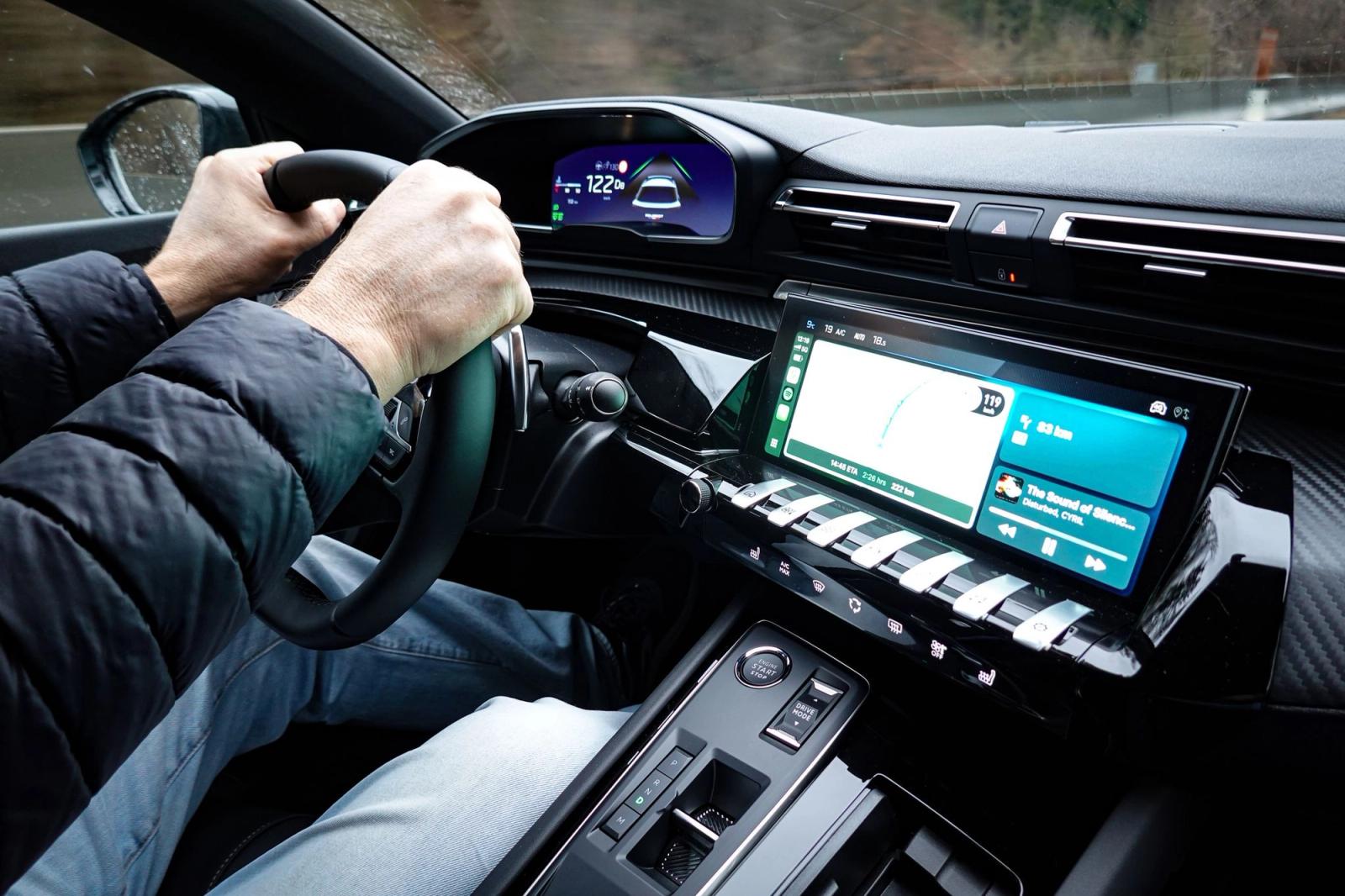
The safest cars for teens are newer, larger vehicles (not high-performance models) with a strong NHTSA 5-Star Safety Rating, key safety features like electronic stability control and automatic emergency braking, and no open recalls. That's the short version of what federal safety agencies recommend. Below, we explain why the car matters so much for new drivers and how you can check any car yourself with free government tools.
Why does the car choice matter so much for teen drivers?
Teens are the riskiest drivers on the road. According to the CDC, motor vehicle crashes are the leading cause of death for U.S. teens. NHTSA reports that 2,320 people were killed in crashes involving a teen driver (ages 15 to 18) in 2024.
NHTSA also notes that novice teen drivers are twice as likely as adult drivers to be in a fatal crash. Their crash rates are highest during the first six months of unsupervised driving, right after they get their license.
The car itself plays a part. The CDC points out that teens are typically more likely to drive older cars than adults, and older cars may lack critical safety features. Its advice is clear: parents and teens should consider a car's safety features "first and foremost" when choosing a first car.
Should you pick a bigger, newer car?
Yes, if you can. NHTSA's teen driving guidance says that, if possible, parents should choose larger, newer cars rather than high-performance vehicles.
NHTSA also suggests holding off on buying your teen a brand-new car of their own. It cites research showing that newly licensed teens are more likely to speed in their own vehicle than when driving the family sedan.
Newer cars tend to come with more protection built in. Two examples from NHTSA:
- Electronic stability control has been required in all new cars since September 1, 2011.
- Backup cameras have been required on all new cars since May 1, 2018.
If you're shopping used, check whether the car has these features before you buy.
What does the NHTSA 5-Star Safety Rating tell you?
NHTSA's 5-Star Safety Ratings show how well a vehicle protects people in a crash and how well it resists rolling over. One star is the lowest rating and five stars is the highest. More stars mean a safer car.
NHTSA runs frontal crash, side crash and rollover tests, then combines them into an Overall Vehicle Score. A 5-star overall score means the vehicle's overall injury risk is much less than average.
A few tips for reading the ratings:
- Compare frontal and overall scores carefully. NHTSA says these can only be compared between vehicles in the same class and within 250 pounds of each other. Side and rollover ratings can be compared across all vehicles.
- Watch for the ⚠ symbol. It flags a safety concern the government has about the vehicle. A car can have a high star rating and still have a safety concern.
- "Not Rated" doesn't mean unsafe. It means the vehicle wasn't tested for that crash type. All vehicles sold in the U.S. are certified as meeting federal safety standards.
You can look up any vehicle on NHTSA's ratings page. Its Vehicle Comparison Tool shows ratings and recall information side by side.
Which safety features should you look for?
NHTSA recommends looking for vehicles with these driver assistance technologies, which have met NHTSA performance tests:
- Forward collision warning: warns the driver if the car is getting too close to the vehicle ahead.
- Lane departure warning: alerts the driver when the car drifts out of its lane.
- Crash imminent braking and dynamic brake support: two types of automatic emergency braking (AEB). AEB applies the brakes automatically to avoid or reduce a forward crash.
Other features NHTSA describes that can help a new driver:
- Electronic stability control: uses computer-controlled braking of individual wheels to help the driver keep control and reduce spin-outs.
- Blind spot warning: alerts the driver to vehicles in the next lane that may be hard to see.
- Backup camera: shows the area behind the car while reversing.
NHTSA also lists air bags, seat belts and a tire pressure monitoring system as safety equipment to check for when buying a car.
One important note: some of these systems only warn the driver, while others take action. Car brands also use different names for the same technology. Read the owner's manual together with your teen so they know what the car can and can't do.
How do you check a car for open recalls?
Every car has a 17-character vehicle identification number (VIN). You'll find it on the lower left of the windshield and on the registration card. It may also be on your insurance card.
Enter the VIN or license plate on NHTSA's recall lookup. It will show whether that specific car has a safety recall that hasn't been fixed. If it's clear, you'll see "0 unrepaired recalls associated with this VIN."
Keep in mind that the search doesn't show recalls more than 15 years old or recalls from some small manufacturers. Recall repairs are free at your local dealership. NHTSA recommends checking for recalls twice a year, and its free SaferCar app can send you alerts.
What rules should parents set along with the car?
A safe car is only part of the plan. All 50 states and D.C. have a three-stage graduated driver licensing (GDL) system that limits high-risk driving for new drivers. NHTSA says this approach can reduce your teen's crash risk by as much as 50%. Learn your state's rules and enforce them.
NHTSA recommends putting your house rules in writing with a parent-teen contract, like the CDC's Parent-Teen Driving Agreement. NHTSA's suggested rules: no cell phones, no passengers, no speeding, no alcohol, no driving when tired, and always buckle up.
That last rule matters. In 2024, 51% of teen drivers who died in crashes were not wearing a seat belt.
Plenty of supervised practice helps too. Our guide on how to teach someone to drive walks you through it step by step.
Where should your teen start?
Before your teen gets behind the wheel, they need a learner's permit. Help them prepare for the knowledge test with a permit practice test.
Sources
- Risk Factors for Teen Drivers | Teen Drivers | CDC
- Reducing Risk for Teen Drivers | Teen Drivers | CDC
- Parent-Teen Driving Agreement | Teen Drivers | CDC
- Teen Safe Driving: How Teens Can Be Safer Drivers | NHTSA
- Car Safety Ratings | Vehicles, Car Seats, Tires | NHTSA
- Driver Assistance Technologies | NHTSA
- How Vehicle Safety Has Improved Over the Decades | NHTSA
- Check for Recalls: Vehicle, Car Seat, Tire, Equipment | NHTSA
Free permit practice test for your state
Ready to check what you know? Take a free 10-question test from your state's driver handbook, with every answer explained. No sign-up needed. See questions and pass marks for every state.
- Alabama
- Alaska
- Arizona
- Arkansas
- California
- Colorado
- Connecticut
- Delaware
- Florida
- Georgia
- Hawaii
- Idaho
- Illinois
- Indiana
- Iowa
- Kansas
- Kentucky
- Louisiana
- Maine
- Maryland
- Massachusetts
- Michigan
- Minnesota
- Mississippi
- Missouri
- Montana
- Nebraska
- Nevada
- New Hampshire
- New Jersey
- New Mexico
- New York
- North Carolina
- North Dakota
- Ohio
- Oklahoma
- Oregon
- Pennsylvania
- Rhode Island
- South Carolina
- South Dakota
- Tennessee
- Texas
- Utah
- Vermont
- Virginia
- Washington
- West Virginia
- Wisconsin
- Wyoming