

How to Overcome Driving Anxiety Behind the Wheel and on Test Day
Driving anxiety is common for new drivers. Start in quiet places, practice the skills the road test checks, and remember you can retake it.
Bianca Galvan
Product & Content at GetMyPermit
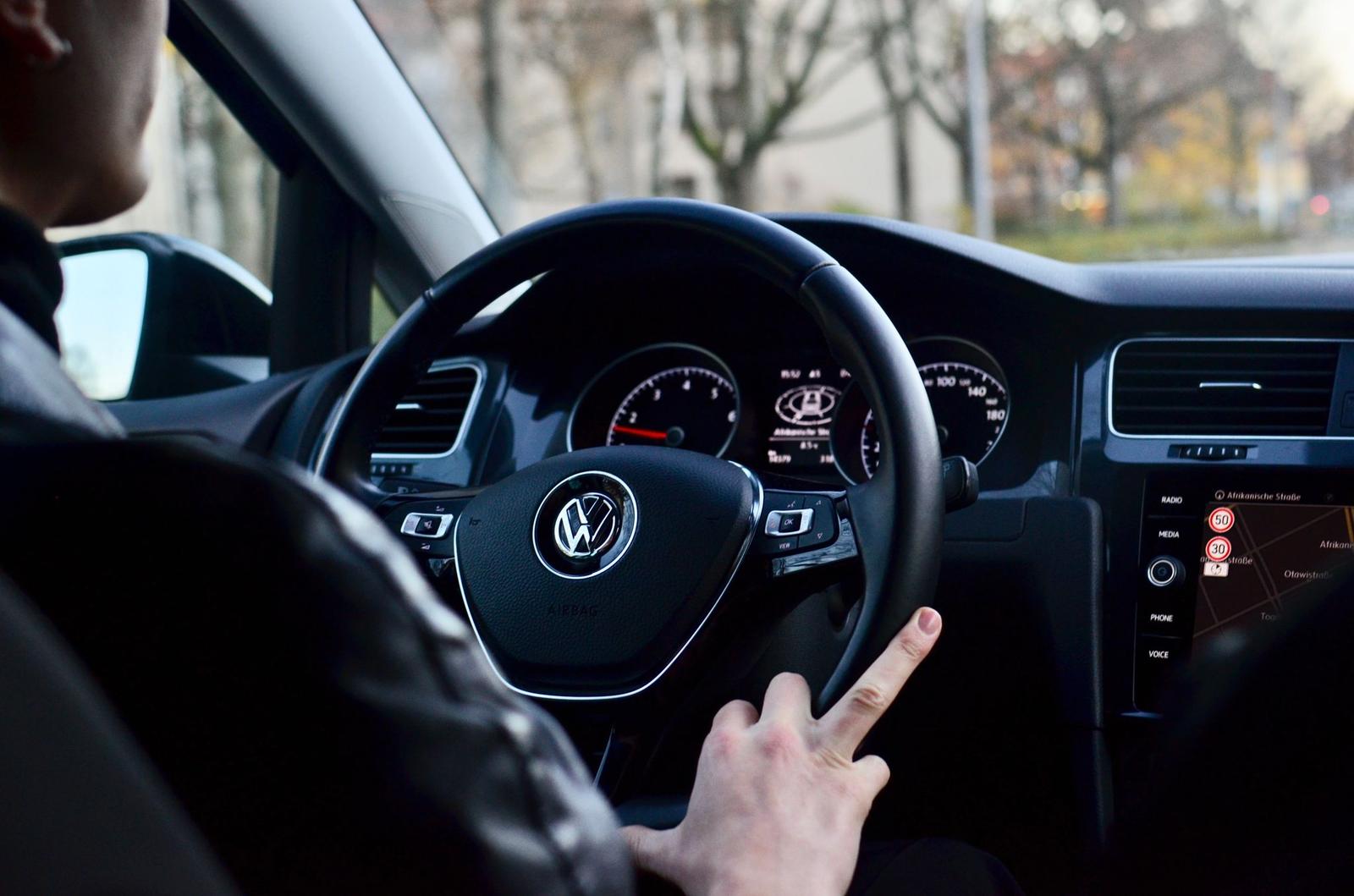
Driving anxiety is very common when you are new behind the wheel, and the most reliable way to ease it is practice in the right order: start somewhere quiet, build up to busier roads one step at a time, and rehearse the exact skills your road test will check. On test day, knowing what the examiner does (and doesn't do) takes away a lot of the fear. And if the test doesn't go your way, you can take it again.
This guide is for teens getting ready for their first lessons, parents riding in the passenger seat, and adults learning for the first time, whether you're 18, 23 or older.
Why do new drivers feel so anxious?
Driving is a new skill with real stakes, and early on everything happens at once: steering, speed, mirrors, signs, other cars. It makes sense to feel nervous.
Official safety agencies point to inexperience as the core issue for new drivers. The CDC lists inexperience as a risk factor for teen drivers and notes that teens are more likely than older drivers to underestimate or not recognize dangerous situations. The good news is that inexperience is the one thing practice fixes. Oregon's DMV parent guide says teens show the greatest improvement in their first 1,000 to 5,000 miles of driving.
So if you feel shaky right now, that is a normal stage of learning, not a sign you can't drive.
How do you overcome driving anxiety as a beginner?
Start in low-traffic places
Don't begin on a busy road. State DMV guidance is clear about where to start:
- Oregon DMV: "In the beginning, practice in safe, low-risk driving areas. Start out in empty parking lots or on remote roads."
- California DMV: large, open parking lots are great for practicing turns, and you can move to a quiet residential street until you gain enough confidence and skills before driving in normal traffic.
An empty lot lets you learn how the car responds (how hard to press the brake, how much to turn the wheel) without anyone behind you.
Build up gradually
Once the basics feel easy, add one new challenge at a time. Oregon DMV suggests that as skills increase, you progress to quiet neighborhood streets and later to busier roads and highways.
A simple ladder looks like this:
- Empty parking lot: starting, stopping, turning, backing straight.
- Quiet residential streets: stop signs, right-of-way, turns at low speed.
- Light-traffic roads: lane changes, traffic lights, keeping a safe following distance.
- Busier roads and highways: merging, higher speeds, heavier traffic.
- Harder conditions: night, rain, unfamiliar areas.
Move to the next step only when the current one feels routine. If a step brings your anxiety back up, it's fine to spend a few more sessions one level down. When you are ready for highways, our guide to merging onto a highway breaks it down.
Practice when you're in a good state to learn
Oregon DMV recommends practicing when both the new driver and the supervising adult are ready, in good moods, have enough time, and are well rested. New York's driver manual adds a few habits that help any driver stay calm:
- Don't drive when you are angry, upset or very tired.
- Avoid arguments and stressful or emotional conversations with passengers.
- If you are running late, call ahead so you can relax instead of rushing.
Log your hours
States can set a minimum number of supervised practice hours for teens. California, for example, requires minors to complete 50 hours of behind-the-wheel practice, 10 of them at night, before the driving test. The CDC says GDL systems let new drivers gain experience and skills under lower-risk conditions. Tracking your hours also shows you how far you've come, which helps on anxious days. See our driving log for teens and what a graduated driver license is.
What can parents do to help a nervous new driver?
The person in the passenger seat sets the tone. Oregon DMV tells supervising parents to "remain calm and focused; making mistakes is part of learning." California DMV suggests asking the accompanying driver to calmly point out mistakes, then talking through any situations that were confusing.
A few practical ways to do that:
- Give directions early and in simple words ("At the next light, turn right").
- Save longer feedback for when the car is parked.
- Keep sessions short at first and end on something that went well.
- Stay at a level where the driver feels challenged but not overwhelmed.
The CDC also says parents can help by providing supervised practice under varied conditions and staying involved. For a full step-by-step plan, read how to teach someone to drive.
Is it harder to learn to drive as an adult?
Learning at 20, 23 or 30 can feel awkward, especially when friends have driven for years. But you aren't behind in any way the DMV cares about. California DMV says the driving test for a basic Class C license is the same for all drivers regardless of age, and an adult driver takes the same type of driving test as a teen.
Adults follow the same path: learn in quiet places first, build up, and practice the test skills. Rules for adult learner permits vary by state, so check our guide on how to get your license at 18 or older. For a realistic timeline, see how long it takes to learn to drive.
How do you deal with driving test anxiety?
Test anxiety usually comes from two things: not feeling ready, and not knowing what will happen. You can fix both.
Practice the exact skills the test checks
California DMV puts it directly: many people take their driving test when they have not sufficiently prepared, practiced enough, or practiced the right way. Its advice is to practice as if you were taking the test, have your accompanying driver point out mistakes, and work on correcting those errors in your next session.
California lists basic actions its test includes, such as left and right turns, stops at intersections, straight-line backing, lane changes, driving in regular traffic, and freeway driving if required. Every state's test is a little different, so look up your state's version. We cover the skills examiners check in what is on the road test, and the common reasons people fail in is the driving test hard?
The road test also expects you to know the rules of the road, so reviewing signs, right-of-way and speed rules keeps you from second-guessing yourself. If you are still at the permit stage, our permit practice tests help you study for your permit test.
Know what to expect on test day
Here is what California DMV tells drivers about its behind-the-wheel test, which shows how examiners generally approach it:
- The test is not designed to trick you. California's handbook says the examiner will not ask you to do anything illegal or unsafe and only gives you directions on what to do.
- The examiner is there to check you can drive safely and obey traffic laws. California's test lasts about 20 minutes.
- It is your responsibility to complete each requested action when it is safe to do so. You don't have to rush a turn or lane change into an unsafe gap.
- Ask any questions before the test begins. During the test, the examiner gives directions and may ask questions, but won't make general conversation. Silence doesn't mean you are doing badly.
- Before driving, the examiner checks that your vehicle is safe (lights, signals, horn, brakes, mirrors and more) and asks you to find controls like the headlights, wipers, defroster and emergency flashers.
- California DMV also suggests avoiding a borrowed vehicle if you can, because it will be one more thing to make you nervous. Practice in the car you will test in.
California's own message to test-takers is: "Don't be nervous. DMV wants you to pass your test."
For the logistics, see how to schedule your driving test, what to bring to your driving test and how long the driving test is. Rules for California are on our California practice test page.
The day before and the morning of
- Get your documents and vehicle ready the night before so nothing surprises you.
- Leave early. New York's manual notes that being late makes it harder to relax.
- Do a short, easy drive beforehand if you can, just to get your hands and feet used to the car.
What should you do if you get nervous while driving?
During practice or on a regular drive, if your nerves spike:
- Keep your eyes on the road ahead and slow down to a safe, legal speed for the conditions. You don't have to keep up with drivers who are speeding.
- Increase your following distance. California DMV recommends the 3-second rule, and more in bad weather.
- When it's safe, signal and pull over in a legal spot to take a break. There is no rule that says a practice drive has to be finished in one go.
- Afterward, talk about what triggered the anxiety and practice that situation again in an easier setting.
On the test itself, you can't pull over for a break whenever you want, but you can control your pace. Take each instruction one at a time, check your mirrors, signal, and complete the action only when it is safe. If you make a small mistake, keep driving safely and focus on the next instruction.
What happens if you fail the road test?
You can take it again. Failing once is a setback, not the end.
- In California, minors must wait 14 days to retake a failed behind-the-wheel test, not counting the day of the failure.
- In New York, your learner permit stays valid until its expiration date after a failed road test. If it expires before your next test, you need a new permit. Details are on our New York practice test page.
Waiting periods, fees and attempt limits for the road test vary by state, so check your state DMV before rebooking. Use the time between tests to practice the specific items you were marked on. If you aren't sure how your result works, read how do I know if I passed my road test?
When should you get extra help?
For most new drivers, anxiety fades with practice and miles. If it doesn't, some options can help:
- Lessons with a professional driving instructor add structured practice on top of your supervised hours. If you'd rather test with a school, read about third-party driving tests.
- If your anxiety is severe, keeps you from driving at all, or affects other parts of your life, talking to a doctor or a licensed mental health professional can help. This article isn't medical advice.
Take it one step at a time. Every empty-lot session and every quiet street counts toward feeling calmer behind the wheel.
Sources
- Risk Factors for Teen Drivers (CDC)
- Reducing Risk for Teen Drivers (CDC)
- Supervise Your Teen Driver, Online Parent Guide to Teen Driving (Oregon DMV)
- Teen Driver Tips (California DMV)
- Fast Facts 22: Preparing for Your Driving Test (California DMV)
- Prepare for Knowledge and Drive Tests (California DMV)
- Driving Test Criteria, California Driver's Handbook (California DMV)
- Section 3: The Testing Process, California Driver's Handbook (California DMV)
- Chapter 8: Defensive Driving, Driver's Manual (New York DMV)
- Road Test Results (New York DMV)
Free permit practice test for your state
Ready to check what you know? Take a free 10-question test from your state's driver handbook, with every answer explained. No sign-up needed. See questions and pass marks for every state.
- Alabama
- Alaska
- Arizona
- Arkansas
- California
- Colorado
- Connecticut
- Delaware
- Florida
- Georgia
- Hawaii
- Idaho
- Illinois
- Indiana
- Iowa
- Kansas
- Kentucky
- Louisiana
- Maine
- Maryland
- Massachusetts
- Michigan
- Minnesota
- Mississippi
- Missouri
- Montana
- Nebraska
- Nevada
- New Hampshire
- New Jersey
- New Mexico
- New York
- North Carolina
- North Dakota
- Ohio
- Oklahoma
- Oregon
- Pennsylvania
- Rhode Island
- South Carolina
- South Dakota
- Tennessee
- Texas
- Utah
- Vermont
- Virginia
- Washington
- West Virginia
- Wisconsin
- Wyoming