

Driving Log for Teens: How to Track Supervised Driving Hours
A teen driving log records every supervised practice drive. Learn what to write in each entry, who signs it, and which states use an official form.
Bianca Galvan
Product & Content at GetMyPermit
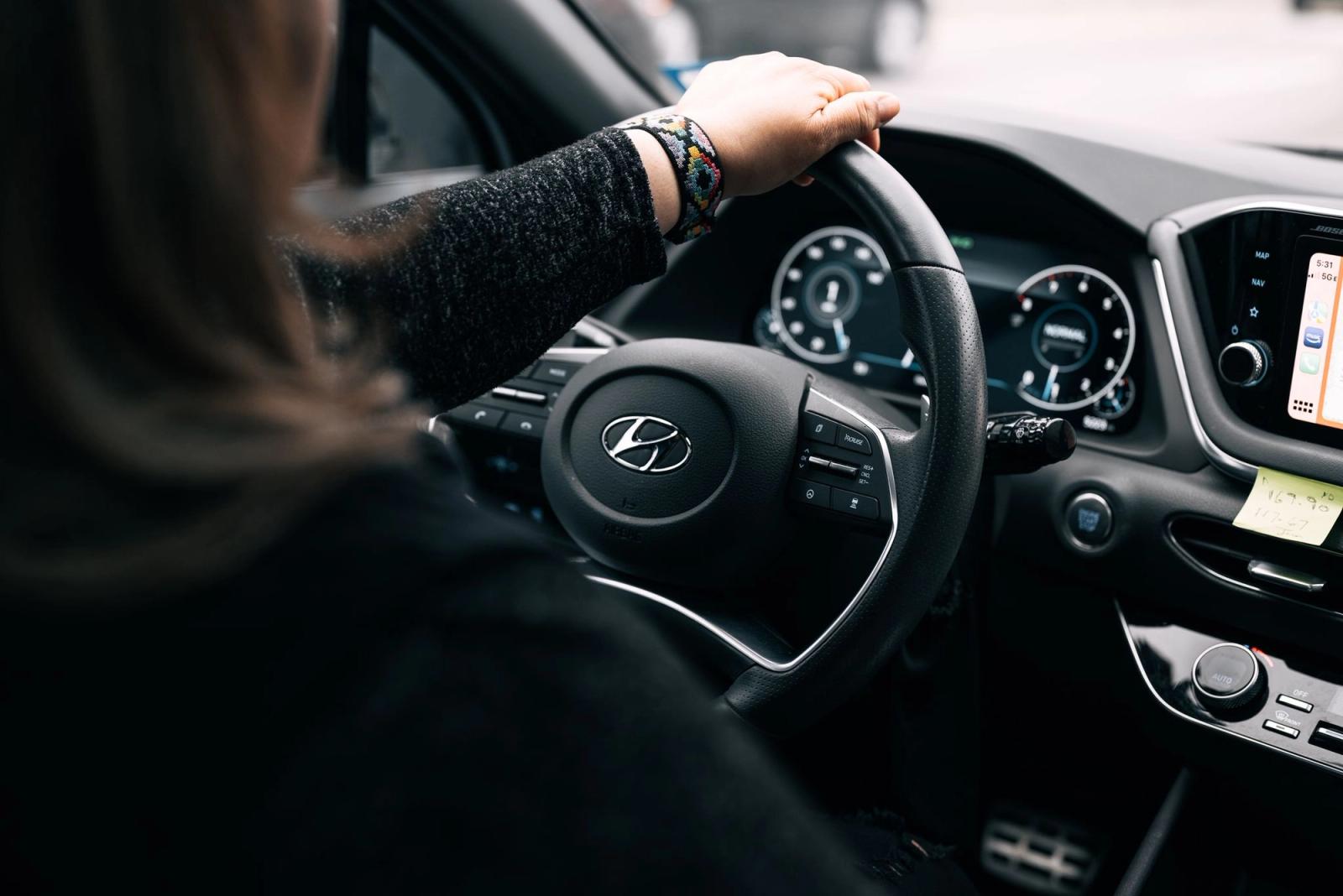
A driving log for teens is a written record of every supervised practice drive your teen makes with a learner's permit: the date, how long they drove, whether it was day or night, and who was in the passenger seat. Most states ask a parent or guardian to certify the required hours before the road test, and several states give you an official form or log to do it.
This guide covers what to record, who signs, when the log is turned in, and which states use their own form. For the number of hours each state requires, see How Long Do You Have to Have Your Permit, which lists holding periods and supervised hours state by state.
What is a supervised driving log?
It's a running record of practice sessions kept while your teen holds a learner's permit. Each line is one drive. At the end, you add up the totals and sign a statement saying the hours were completed under proper supervision.
Some states treat the log itself as the official document. Kentucky, for example, says all drivers under 18 must present its Practice Driving Log to the Kentucky State Police license examiner before the skills test. Other states only ask the parent to sign a certification of the total hours, and the log is a tool to help you keep track. California's DMV says its Supervised Driving Log is optional and provided for your convenience, but the parent still has to certify the hours on the permit.
Either way, keeping a log as you go is the easiest way to sign that certification honestly and without guessing.
What should you record in each log entry?
The official logs published by state agencies ask for very similar details. Put together, a complete entry includes:
- Date of the drive.
- Start and end time, with AM or PM. Nevada's log says logs completed in military time will not be accepted.
- Length of the drive in hours and minutes. Nevada asks for minutes on each line, then a total divided by 60.
- Day or night. Ohio, Nevada, Kentucky and California all split day and night driving into separate columns.
- Supervising driver's name, and in Ohio, that adult's Ohio driver license number.
- Skills practiced. California's log has a column for skills practiced and skills that need more practice, with codes like LC (lane changes), PP (parallel parking) and FD (freeway driving).
- Initials. Kentucky and California ask for the supervising adult's initials on each entry. Oregon's log has a spot for both the teen's and the adult's initials.
Even if your state doesn't publish a log, recording these same details gives you a clean record if you're ever asked about it.
Who can supervise the practice hours?
The adult in the passenger seat has to meet your state's rules, or the hours may not count. A few examples from official sources:
- New York: a person at least 21 who holds a license valid in New York for the type of vehicle used. Regional restrictions for junior permits also apply.
- Pennsylvania: a licensed driver 21 or older.
- California: a parent, guardian, spouse or adult 25 or older with a valid California license.
- Oregon: someone at least 21 who has had valid driving privileges for at least 3 years.
- Kentucky: a licensed driver 21 or older in the front passenger seat.
For more on supervision rules, see Can You Drive Alone With a Learner's Permit?
Which states use an official driving log or certification form?
These are the forms we verified on each state agency's site. Always download the current version from the official link, since forms are updated.
New York: MV-262 Certification of Supervised Driving
- Who signs: a parent or guardian (or a representative of a government agency or facility). Hours driven with a licensed driving school instructor or driver education teacher can be certified in a separate table on the same form by the school.
- When it's turned in: junior permit holders must give the completed form to the license examiner at every road test.
- Form: MV-262 (NY DMV)
The form warns that falsifying the certification may be a crime. Studying for the knowledge test first? See our New York DMV written test guide and New York practice test.
Pennsylvania: DL-180C Parent or Guardian Certification Form
- What it certifies: the required supervised hours, including nighttime and inclement weather driving, and that the teen has read or viewed PennDOT's materials on distracted driving.
- Who signs: a parent, guardian, person in loco parentis, or spouse at least 18.
- Notarization: required only if the parent or guardian is not going with the teen to the Driver License Center for the skills test. Otherwise it can be signed in front of the driver license examiner or another listed official.
- When it's turned in: at the road test.
- Form: DL-180C (PennDOT)
More for Pennsylvania families: Pennsylvania practice test.
Ohio: BMV 5791 Fifty Hour Affidavit
- What it includes: a sworn affidavit on page 1 and a Supervised Driving Log on page 2, with columns for date, supervising driver, Ohio license number, start and end time, and day and night totals.
- Who signs: an "eligible adult," meaning the parent, guardian or custodian, or a person over 21 acting in loco parentis.
- Notarization: yes. The affidavit is sworn before a notary. Ohio's Department of Public Safety notes that notaries are available at Deputy Registrar agencies.
- When it's turned in: bring it to the driving skills test, and again to the Deputy Registrar when you buy the license. Ohio also requires it for applicants 18 to 20.
- Digital option: Ohio says hours can be logged on the paper log or with the RoadReady Ohio app.
- Form: BMV 5791 (Ohio BMV)
Ohio defines nighttime on this form as starting half an hour after sunset and ending half an hour before sunrise. See also our Ohio temps test guide and Ohio practice test.
Tennessee: SF-1256 Certification of 50 Hours Behind the Wheel Driving Experience
- Who signs: a parent, guardian or licensed driving instructor.
- When it's turned in: when applying for the Intermediate Restricted License at a Driver Services Center.
- Form: SF-1256 (Tennessee Department of Safety and Homeland Security)
More: Tennessee learner permit test guide and Tennessee practice test.
Nevada: DLD-130 Beginning Driver Experience Log
- What it includes: a log of daytime and nighttime drives (in minutes) and a parent or legal guardian certification.
- Who signs: the parent or legal guardian.
- Notarization: the parent's signature is witnessed by a notary public or a DMV Field Services representative.
- When it's turned in: the log must be completed before arriving for the drive test appointment, and all log sheets are submitted before the skills test.
- Form: DLD-130 (Nevada DMV)
Nevada's form has strict filling rules: blue or black ink only, no pencil or gel pens, no military time, original signatures only, and no changes once it's signed. See the Nevada practice test.
California: Supervised Driving Log (optional)
- The log: California's DMV publishes a Supervised Driving Log, but its use is optional.
- What's required: the parent or guardian signs the certifying line on the teen's instruction permit, and the driving instructor signs it too. California's Parent-Teen Training Guide says the signed permit must be presented to DMV before the driving test may be taken.
- Log: Supervised Driving Log (California DMV)
More: California learner's permit rules and California practice test.
Oregon: Practice Driving Log
- The log: Oregon DMV publishes a Practice Driving Log and tells parents to keep it in the vehicle and write down every practice session.
- What's required: Oregon's DMV says the applicant under 18 certifies their supervised driving hours. The DMV pages we read don't say the log itself must be handed in.
- Log: Practice Driving Log (Oregon DMV)
See the Oregon practice test.
Kentucky: Practice Driving Log
- What it includes: a day driving record and a night driving record, each with the date, driving time and parent or guardian initials.
- Who signs: both the applicant and the parent or guardian sign the bottom, certifying the log is correct. A Kentucky State Police license examiner then reviews it.
- When it's turned in: at the road skills test. Kentucky's DRIVE site tells applicants to bring the completed and signed log, and the parent must sign it before the teen advances to the intermediate license.
- Log: Practice Driving Log (Kentucky Transportation Cabinet)
See the Kentucky practice test.
If your state isn't listed here, check your DMV's teen or graduated licensing page for a certification form, and ask at the office when you book the road test.
When do you need notarization?
Of the forms above, three involve a notary or official witness:
- Ohio: the BMV 5791 is a notarized affidavit.
- Pennsylvania: the DL-180C needs a notary only if the parent or guardian isn't accompanying the teen to the skills test.
- Nevada: the DLD-130 certification is signed in front of a notary or a DMV Field Services representative.
If your form needs a notary, get it done before test day so a missing stamp doesn't hold things up.
What happens if the log is missing or incomplete?
Official sources are clear that the paperwork has to be ready before the test:
- Pennsylvania: the driver's manual says that if you don't bring the original documents listed (including the signed DL-180C), you will not be given the test.
- Kentucky: the log must be presented to the license examiner before the skills test can be administered.
- California: the signed permit must be presented to DMV before the driving test may be taken.
- Nevada: the log must be completed before the drive test appointment, and the form won't accept pencil, gel pen or military time entries.
Signing a false certification is also serious. New York's MV-262 says falsifying it may be a felony or misdemeanor, and Ohio's affidavit warns that falsifying it is punishable by fine and/or imprisonment.
How can you keep the log accurate and easy?
- Log every drive right away. Nevada asks families to document driving at each occurrence, and Oregon suggests keeping the log in the car. Writing it down at the end of each drive beats reconstructing weeks later.
- Use your state's form from the start. If your state has an official log (Ohio, Nevada, Kentucky), fill in that one directly so you don't have to copy entries over.
- Make copies before you start. California suggests photocopying the log before use, and Nevada lets you add extra sheets.
- Track night hours separately. Most official logs split day and night. Check how your state defines night: Ohio counts from half an hour after sunset, while New York's form refers to hours after sunset.
- Start night practice after daytime skills are solid. California's guide says not to start night driving until your teen has mastered all skills in daylight, and to begin in a familiar, low-traffic area. Our post on driving at night with a learner's permit covers permit curfews.
- Practice in different conditions. Pennsylvania specifically requires inclement weather hours, so plan rainy-day practice there. Everywhere else, mixing in rain, highways, parking and heavy traffic still builds a stronger driver.
- Note the skills, not just the minutes. California's log tracks skills from backing up to freeway driving. A quick note on what went well and what needs work helps you plan the next drive. For lesson ideas, see How to Teach Someone to Drive.
- Don't sign until it's complete. Nevada says changes may not be made to its form once it's signed.
Before any of this, your teen has to pass the knowledge test to get a permit. Our practice tests to study for your permit test can help them get there.
Sources
- MV-262: Certification of Supervised Driving (New York DMV)
- Schedule and Take a Road Test (New York DMV)
- DL-180C Parent or Guardian Certification Form (PennDOT)
- Pennsylvania Driver's Manual, Chapter 1: Testing (PennDOT)
- BMV 5791 Fifty Hour Affidavit (Ohio Bureau of Motor Vehicles)
- Probationary License (Ohio Traffic Safety Office)
- Digest of Motor Vehicle Laws, Section 12: Purchase Your Driver License (Ohio Department of Public Safety)
- SF-1256 Certification of 50 Hours Behind the Wheel Driving Experience (Tennessee Department of Safety and Homeland Security)
- Teen/Graduated Driver License (Tennessee Department of Safety and Homeland Security)
- DLD-130 Beginning Driver Experience Log (Nevada DMV)
- Teen Drivers (California DMV)
- Supervised Driving Log (California DMV)
- California Parent-Teen Training Guide, DL 603 (California DMV)
- Practice Driving Log (Oregon DMV)
- Driver Information (Oregon DMV)
- The Rules for Provisional Driver Licensing (Oregon DMV)
- Graduated Driver Licensing Program (Kentucky Transportation Cabinet)
- Practice Driving Log (Kentucky Transportation Cabinet)
Free permit practice test for your state
Ready to check what you know? Take a free 10-question test from your state's driver handbook, with every answer explained. No sign-up needed. See questions and pass marks for every state.
- Alabama
- Alaska
- Arizona
- Arkansas
- California
- Colorado
- Connecticut
- Delaware
- Florida
- Georgia
- Hawaii
- Idaho
- Illinois
- Indiana
- Iowa
- Kansas
- Kentucky
- Louisiana
- Maine
- Maryland
- Massachusetts
- Michigan
- Minnesota
- Mississippi
- Missouri
- Montana
- Nebraska
- Nevada
- New Hampshire
- New Jersey
- New Mexico
- New York
- North Carolina
- North Dakota
- Ohio
- Oklahoma
- Oregon
- Pennsylvania
- Rhode Island
- South Carolina
- South Dakota
- Tennessee
- Texas
- Utah
- Vermont
- Virginia
- Washington
- West Virginia
- Wisconsin
- Wyoming