

What Is Drivers Ed? What It Covers and How Long It Takes
Drivers ed is a state-approved course of classroom or online lessons plus driving with an instructor. See what it covers and the hours each state requires.
Bianca Galvan
Product & Content at GetMyPermit
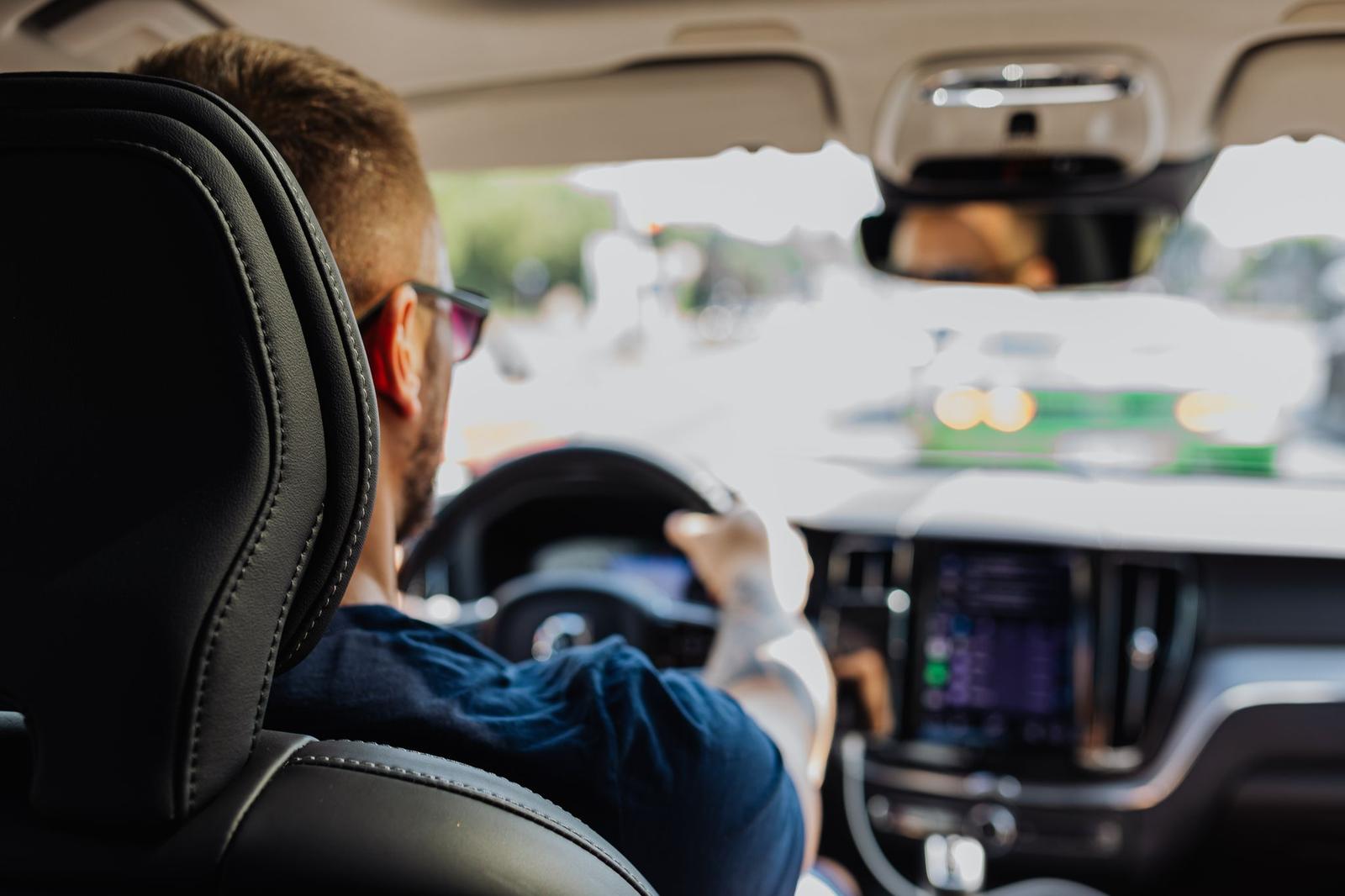
Drivers ed (driver education) is a state-approved course that teaches new drivers traffic laws and safe driving, usually in two parts: classroom or online lessons and behind-the-wheel lessons with a licensed instructor. Many states require it for teens before they can get a license. The required hours depend on the state: for example, California requires 30 hours of classroom instruction plus 6 hours of driving with an instructor, while Georgia requires 30 hours of classroom or online instruction plus driving time.
Below is what drivers ed covers, which states require it for whom, and how long it takes in states where we could confirm the hours on official pages.
What is drivers ed, exactly?
Drivers ed is a structured course run by a state-licensed driving school, a public or private school, or an approved online provider. States usually split it into two pieces:
- Classroom or online instruction (the "theory" part). Traffic laws, road signs, right of way, sharing the road, alcohol and drugs, and how to handle risky situations. Many states let teens take this part online through an approved provider.
- Behind-the-wheel training. Driving lessons in a car with a licensed instructor. Some states, like Texas and Virginia, also require "observation" time, where the student rides in the training car and watches while someone else drives.
When you finish, the school gives you a certificate of completion. In many states, you need that certificate to apply for a permit, schedule your road test or get your license.
Drivers ed is not the same as the supervised practice hours many states require. Practice hours are driving you do with a parent or another licensed adult, on top of the course. If you need to track those, see our guide to a driving log for teens.
What does drivers ed cover?
Every state sets its own curriculum. Texas publishes its official course outline, which gives a good picture of what a full course includes. It's organized into 12 modules:
- Traffic Laws (your license to drive, right of way, traffic control devices, cooperating with other road users)
- Driver Preparation (pre-drive tasks, occupant protection, starting and controlling the vehicle)
- Vehicle Movements (reference points, vehicle balance, maneuvers)
- Driver Readiness (driving practices, fatigue, aggressive driving)
- Risk Reduction
- Environmental Factors
- Distractions
- Alcohol and Other Drugs
- Adverse Conditions
- Vehicle Requirements
- Consumer Responsibilities
- Personal Responsibilities
Most modules have a classroom phase and an in-car phase, so what you learn in class gets practiced behind the wheel with the instructor.
A lot of the classroom material is also what shows up on the permit test, which is why taking practice tests to study for your permit test pairs well with drivers ed. You can try a free permit practice test.
Which states require drivers ed for teens?
Many states require teens to finish an approved course before they can get a license, but the rules (and the ages they apply to) are different everywhere. Here's what official state pages say for the states we checked:
- California: If you're under 18, you must complete classroom driver education at a licensed school before getting an instruction permit, and you must prove you finished both driver education and driver training to get your license.
- Texas: Everyone under 25 must take a driver education course to get a Texas license. Teens can start the classroom part at 14 but must be at least 15 to apply for a learner license.
- Georgia: Under Joshua's Law, 16- and 17-year-olds applying for a Class D license must complete an approved driver education course.
- Virginia: Teens under 18 must complete a state-approved driver education program and hold a learner's permit for at least nine months.
- New York: New drivers must complete either the 5-hour Pre-Licensing Course or the state's 48-hour Driver Education Program (offered through high schools and colleges) before taking the road test.
Not every state requires drivers ed, and some states let families do it at home. If that's your situation, read our guide to parent-taught drivers ed for how it works and which states allow it. Drivers ed is also one piece of your state's graduated licensing system, which we explain in What Is a Graduated Driver License?.
How long does drivers ed take?
It depends on the state. Here are the minimum hours from official state sources.
California
- Driver education: 30 hours of classroom instruction (or 2 1/2 semester periods), not counting breaks or meal times. Home study or online programs are allowed if they meet the same standards.
- Driver training: At least 6 hours behind the wheel with a professional instructor, no more than 2 hours per day. Watching another student drive doesn't count toward the 6 hours.
- On top of the course: Teens also need 50 hours of practice with a licensed driver who is at least 25, including 10 hours at night.
More on California: California permit practice test.
Texas
Under the current state course outline from the Texas Department of Licensing and Regulation (TDLR), the teen course includes at least:
- 24 hours of classroom instruction
- 7 hours of behind-the-wheel instruction
- 7 hours of in-car observation
- 30 hours of behind-the-wheel practice with a licensed adult who is at least 21, certified by a parent or guardian
TDLR's student page sums this up as 24 hours of classroom instruction and 44 hours of in-car driving. Older guides often say 32 classroom hours, so check that any school you pick follows the current standards.
More on Texas: Texas permit practice test.
Georgia
Georgia offers four ways to meet Joshua's Law. Every option includes 30 hours of classroom or online instruction, plus one of these:
- 6 hours of behind-the-wheel training at a certified school and 40 hours of supervised driving with a parent or guardian (6 of them at night), or
- 40 hours of parent-taught behind-the-wheel training.
Georgia teens must also hold a learner's permit for 1 year and 1 day before getting a Class D license.
More on Georgia: Georgia permit practice test.
Virginia
Virginia's program has 36 classroom sessions, 7 driving sessions, 7 observation sessions and a final road skills exam. Each session is 50 minutes, so the classroom part adds up to 30 hours. Students under 18 also complete a 90-minute parent/teen component, and a parent or guardian must certify at least 45 hours of driving, 15 of them after sunset.
More on Virginia: Virginia permit practice test.
New York
- Pre-Licensing Course: About 5 hours of classroom instruction, with no hands-on driving. The certificate is valid for one year.
- Driver Education Program: A 48-hour program through a high school or college. Its Student Certificate of Completion is valid for two years and replaces the Pre-Licensing Course.
More on New York: New York permit practice test.
Other states
Hours in other states (for example Ohio, Michigan, Illinois and Florida) are not confirmed here, because we could only use official state pages we were able to read. Check your state DMV or licensing agency's driver education page for the current numbers.
How many weeks does drivers ed take from start to finish?
The course hours are only part of it. Some states limit how much you can do in one day. California, for example, caps driver training at 2 hours per day, so 6 hours of driving takes at least three separate lessons.
The bigger factor is usually your state's permit holding period. Even after you finish drivers ed, teens typically have to hold a permit for months before taking the road test (nine months in Virginia, and 1 year and 1 day in Georgia). For the full timeline, see How Long Do You Have to Have Your Permit Before Your License?. If you want to know how long it takes to actually feel confident behind the wheel, read How Long Does It Take to Learn to Drive?.
Do adults need to take drivers ed?
Usually not the full teen course, but some states have adult rules:
- Texas: People ages 18 to 24 can choose a 6-hour adult driver education course, the 24-hour teen course, or parent-taught driver education. People 25 and older don't need a driver education course to apply for a Texas license. Teen classroom hours can't be applied to the 6-hour adult course.
- New York: All new drivers, including adults, must complete the Pre-Licensing Course (about 5 hours) or the 48-hour Driver Education Program before the road test. Adults 18 and older can take the Pre-Licensing Course online through a DMV-approved provider.
- Virginia: Right now, residents 18 and older with no prior license can either complete driver education or hold a learner's permit for 60 days, complete a Behind-the-Wheel Checklist and pass the road skills test. Starting January 1, 2027, first-time applicants ages 18 through 20 must hold a permit for 90 days and complete an approved program, while those 21 and older can either hold the permit for 60 days or complete a program.
- California: Driver education isn't listed as a requirement for adults 18 and older. Adults get an instruction permit, practice with a California-licensed driver who is at least 18, and pass the behind-the-wheel test.
Even when it isn't required, an adult course or a few lessons with an instructor can help if you're starting from zero. For the full adult process, read How to Get Your License at 18 or Older.
Can you take drivers ed online?
Often, yes, but usually only the classroom part:
- California: Home study or internet programs are allowed for driver education if they meet the same standards as classroom instruction. Behind-the-wheel training is still done with a professional instructor.
- Georgia: Two of the four Joshua's Law methods use 30 hours of online instruction through a certified virtual program.
- Virginia: The classroom portion can be taken online through a driver training school.
- New York: The Pre-Licensing Course is available online for people 18 and older.
Make sure the provider is approved by your state. A course that isn't on the state's list won't count.
How do you get started?
- Check your state DMV or licensing agency's driver education page to see what's required at your age.
- Pick a state-approved school or online provider.
- Find out whether you need to finish the classroom part before your permit (as in California) or can do it alongside your permit.
- Study for the permit test while you take the classroom part, since the topics overlap.
- Keep your certificate of completion. You'll need it later.
Sources
- Driver Training Schools (California DMV)
- California Driver's Handbook, Section 2: Getting an Instruction Permit and Driver's License (California DMV)
- Do I Need Driver Ed? (Texas Department of Licensing and Regulation)
- Driver Education Student FAQs (Texas Department of Licensing and Regulation)
- Program of Organized Instruction for Driver Education and Traffic Safety (Texas Department of Licensing and Regulation, via Texas Register)
- Joshua's Law Requirements (Georgia Department of Driver Services)
- Driver Education (Virginia DMV)
- The Driver Pre-Licensing Course (New York DMV)
Free permit practice test for your state
Ready to check what you know? Take a free 10-question test from your state's driver handbook, with every answer explained. No sign-up needed. See questions and pass marks for every state.
- Alabama
- Alaska
- Arizona
- Arkansas
- California
- Colorado
- Connecticut
- Delaware
- Florida
- Georgia
- Hawaii
- Idaho
- Illinois
- Indiana
- Iowa
- Kansas
- Kentucky
- Louisiana
- Maine
- Maryland
- Massachusetts
- Michigan
- Minnesota
- Mississippi
- Missouri
- Montana
- Nebraska
- Nevada
- New Hampshire
- New Jersey
- New Mexico
- New York
- North Carolina
- North Dakota
- Ohio
- Oklahoma
- Oregon
- Pennsylvania
- Rhode Island
- South Carolina
- South Dakota
- Tennessee
- Texas
- Utah
- Vermont
- Virginia
- Washington
- West Virginia
- Wisconsin
- Wyoming