

What Is on the Road Test? Skills the Examiner Checks
The road test checks your car's safety equipment, then how you signal, turn, change lanes, stop, back up, park and watch traffic.
Bianca Galvan
Product & Content at GetMyPermit
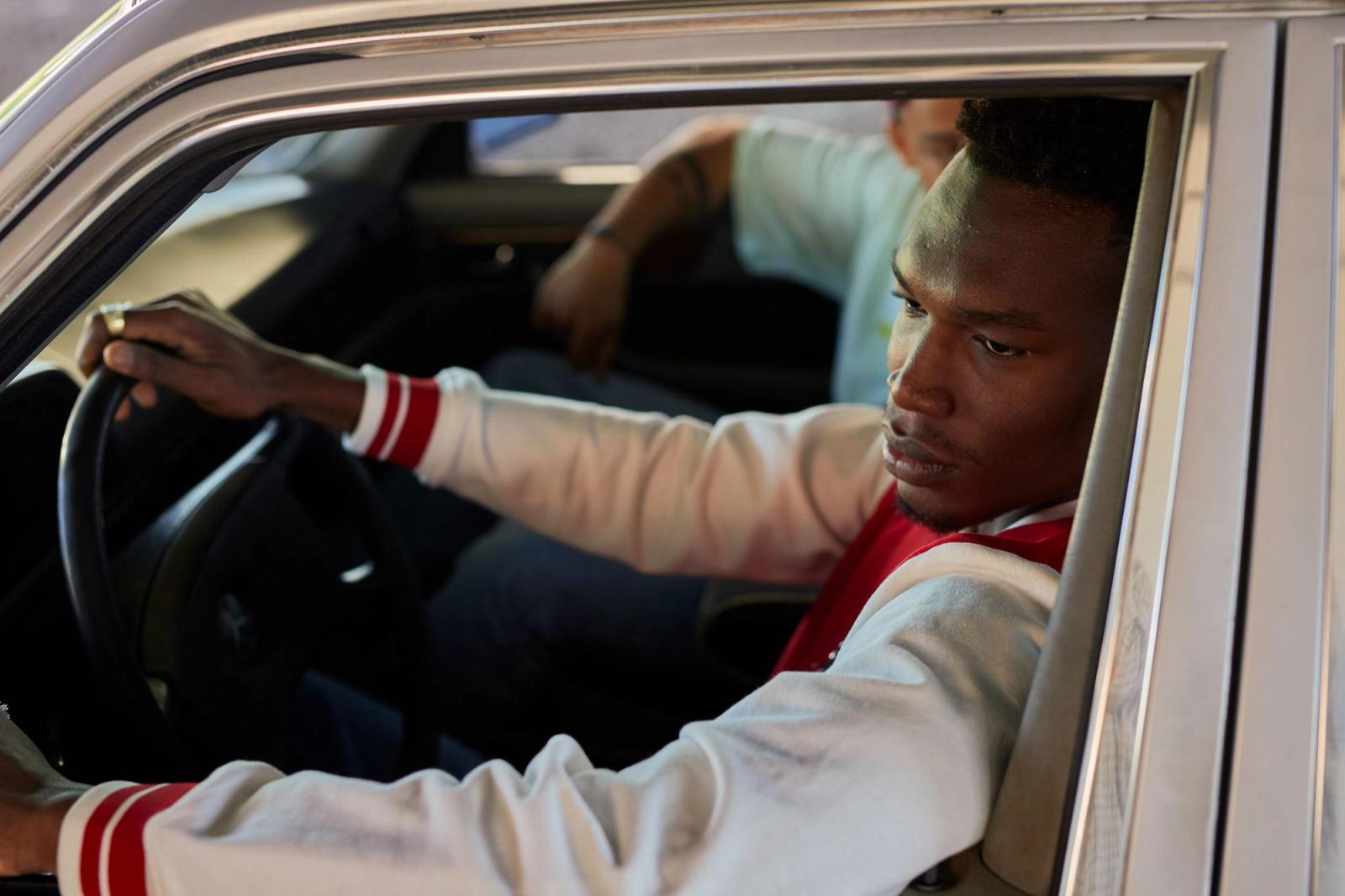
The road test starts with a quick check of your car and its controls, then moves to a drive where the examiner watches how you handle normal traffic. Across states, examiners score the same core skills: signaling, lane changes, stops and intersections, turns, right of way, speed and following distance, backing, and at least one parking or turnaround maneuver. A few mistakes, like hitting a curb or rolling through a stop sign, can end the test on the spot.
The exact list depends on your state, so this guide walks through what official examiner guides from California, New York, Florida and Georgia say. If you want to know how long the drive takes, see How Long Is the Driving Test?, and for paperwork and the car you need, see What to Bring to Your Driving Test.
What happens before you start driving?
Most states check your car before you leave the lot. If something required doesn't work, the test usually gets rescheduled instead of starting.
California's Driving Test Criteria handbook calls this the pre-drive checklist. The examiner checks that:
- The driver window opens and the windshield gives a clear view
- There are at least two working rear-view mirrors, including one on the outside left
- Front and rear turn signals and left and right brake lights work
- Tires have at least 1/32 inch of tread in any two adjacent grooves
- The foot brake pedal stops at least 1 inch above the floor when pressed
- The horn works and can be heard from 200 feet
- The front passenger door opens and closes, and the glove box closes securely
- Seat belts work for you and the examiner
You also have to show you know your controls. The California examiner asks you to set and release the parking brake, show arm signals for a left turn, right turn and slowing or stopping, and find the wipers, defroster, emergency flashers and headlights. If you can't find or demonstrate four or more of these, the test counts as a failure before you even drive.
Florida uses a similar list. A Pinellas County Tax Collector handout (Florida tax collectors run road tests for the state) says the test is only given if the horn, turn signals, wipers, glass, headlights, seat belts, steering wheel, foot brake, emergency brake, rear-view mirror, tires, license plate, brake lights, tail lights and muffler are all in good working condition. The gas gauge can't read empty.
Georgia says your vehicle must pass a DDS safety inspection before the test. If the car has no working turn signals, you have to pass using hand signals.
What skills does the examiner score during the drive?
Once you're on the road, the examiner gives you directions one at a time and scores how you carry them out. California's handbook is clear that the test isn't designed to trick you, and the examiner won't ask you to do anything illegal or unsafe. It's your job to complete each instruction only when it's safe.
Observation and traffic checks
Watching traffic is scored in almost every part of the test. California defines a traffic check as seeing vehicle and pedestrian traffic and reacting to it properly, which means looking ahead, behind, left and right and turning your head when needed. New York's score sheet includes items like "fails to observe" when leaving the curb and "uses mirror only/fails to check blind spot."
Signaling
Signal before every turn, lane change and pull away from the curb. California expects your turn signal on at least 100 feet before a turn. New York's manual also says to signal at least 100 feet ahead, and Florida's handout says to signal for the last 100 feet before turning.
Lane changes
For a lane change, California's examiners look for a mirror check, a look over your shoulder at the blind spot, a signal, an adequate gap and smooth steering into the center of the new lane. Cancel the signal afterward. New York marks you down if you fail to observe, use caution or signal when changing lanes.
Stops and intersections
At a stop sign or red light, stop in the right place. California wants you stopped behind the limit line, within about half a car length of it, and not with the front of the car in the intersection or past the stop sign. Florida's handout says to stop before the crosswalk or stop line and go only when the intersection is clear. When driving straight through an intersection, California also scores you for checking left and right and avoiding unnecessary stops.
Turns
Get into the correct lane early, slow down, and finish the turn in the proper lane. California expects you to:
- Enter the bike lane or right turn lane within 200 feet of a right turn
- Enter the center left turn lane within 200 feet of a left turn, or the left turn lane at its opening
- Keep your wheels straight while waiting to turn left
- Stay inside the lane markings through the turn
New York's score sheet includes failing to stop near the center of the intersection while waiting to turn left.
Right of way
Yielding correctly matters on every test. Georgia's examiners check that you yield to pedestrians, vehicles and bicyclists already in the intersection. Florida's handout adds yielding to pedestrians and pulling over for emergency vehicles. New York lists "fails to yield right-of-way to pedestrians/other." For a refresher, read Right of Way Rules: Who Goes First.
Speed and following distance
Drive at a safe speed for the road, not just under the limit. New York marks both "speed excessive for conditions" and "too slow/impeded traffic flow." Florida's handout asks for a following distance of at least 3 to 4 seconds behind other vehicles.
Vehicle control and posture
Examiners also watch how smoothly you steer, brake and accelerate. New York scores poor steering control, delayed or abrupt braking, and being unfamiliar with the controls. Florida and Georgia both ask you to keep both hands on the wheel without resting an elbow on the window.
What maneuvers are on the road test?
This is where states differ the most. Here is what each official guide lists.
California
California's scoring criteria include parking lot driving, backing, intersections, turns, lane changes, and driving in business and residential areas. For backing, you pull to the curb and back up in a straight line for 3 vehicle lengths, staying within 3 feet of the curb, with no more than one correction. The handbook says to look over your right shoulder through the rear window instead of relying only on mirrors or a backup camera. Freeway driving is part of the supplemental test some drivers are referred to, not every test.
New York
New York's driver's manual says parallel parking "is part of every road test." In your final position, your wheels must be no more than one foot from the curb. The manual also says you may be asked to make a three-point turn. New York's score sheet marks being unable to park properly, parking too far from the curb, being unable to make a 3-point turn, and using too many moves to finish a park or turn.
Florida
The Florida handout lists these maneuvers:
- Three-point turn in a 20 to 40 foot area
- Straight-in parking, centered in the space and not sticking into the traffic lane
- Backing up 50 feet at a slow speed while looking out the rear window, without using the mirror or backup camera
- A quick stop from 20 mph when the examiner tells you to
- Stop signs, traffic signals, railroad crossings, passing and right of way
- Parking on a hill, done as a simulated question: you tell the examiner what you'd do when parked uphill or downhill, with and without a curb
According to the handout, the drive is 1.5 to 2 miles long. Parallel parking isn't on Florida's list.
Georgia
Georgia's traditional road test includes:
- Parallel parking midway between two standards, no more than 18 inches from the curb
- Backing in a straight line for about 50 feet, no faster than 10 mph, without crossing boundary lines
- A turnabout using a three-point turn in a narrow space
- Stops at signs and signals, intersections, turns, passing and following distance
- Smooth shifting if you drive a manual
Georgia requires a score of at least 75% to pass, and the examiner shows you your score sheet at the end. For how other states share results, see How Do I Know If I Passed My Road Test?
What makes you fail the road test right away?
Most mistakes cost points, but some are serious enough to fail the test on their own. California calls these critical driving errors, and its handbook lists them by category:
- Examiner has to step in, including needing 3 attempts to back the car
- Hitting an object you could have safely avoided, or driving over a curb or onto a sidewalk
- Disobeying signs or signals, such as rolling through a stop sign faster than about 4 mph
- Disobeying safety personnel or vehicles, such as passing a school bus with flashing red lights
- Dangerous maneuvers, such as stalling in an intersection
- Speed, driving 10 mph over or under the limit without a road, traffic or weather reason, or too fast or slow for safety
- Not using wipers, defroster or headlights when they're needed
- Lane violations, like driving in the oncoming lane for no reason
Other states use their own lists, so check your state's examiner guide or driver handbook before test day. If you're worried about your nerves or the most common reasons people fail, Is the Driving Test Hard? covers that side.
How should you practice for the road test?
Practice the exact maneuvers your state lists, in a car like the one you'll test in. A few ideas based on the official criteria:
- Run the pre-drive check at home. Find every control the examiner may ask about: parking brake, wipers, defroster, flashers and headlights. Practice your arm signals.
- Say your checks out loud. Mirror, blind spot, signal. Turning your head makes your traffic checks easy for the examiner to see.
- Measure your stops. Practice stopping behind the limit line without creeping into the crosswalk.
- Back up without the camera. California, Florida and Georgia all test backing in a straight line while looking behind you.
- Drill your state's parking maneuver. Parallel parking for New York and Georgia, straight-in parking and a three-point turn for Florida.
- Practice in real traffic. New York's manual recommends at least 50 hours of practice, with at least 15 after sunset and 10 in moderate to heavy traffic.
The road test also assumes you know the rules from your permit test, like right of way and signal distances. If you need a refresher, try our practice tests to study for your permit test. When you're ready, see How to Schedule Your Driving Test.
Sources
- Driving Test Criteria (California DMV)
- Pre-Drive Checklist (Safety Criteria) (California DMV)
- Driving Performance Evaluation (DPE) Scoring Criteria (California DMV)
- DMV Driving Test (California DMV)
- Road Test Results (New York DMV)
- Chapter 1: Driver Licenses, New York State Driver's Manual (New York DMV)
- Chapter 5: Intersections and Turns, New York State Driver's Manual (New York DMV)
- Chapter 7: Parallel Parking, New York State Driver's Manual (New York DMV)
- Driving Skills Road Test Checklist and Maneuvers (Pinellas County Tax Collector, Florida)
- Road Test (Georgia Department of Driver Services)
- Section 3 Continued: Traditional Road Test (Georgia Department of Driver Services)
Free permit practice test for your state
Ready to check what you know? Take a free 10-question test from your state's driver handbook, with every answer explained. No sign-up needed. See questions and pass marks for every state.
- Alabama
- Alaska
- Arizona
- Arkansas
- California
- Colorado
- Connecticut
- Delaware
- Florida
- Georgia
- Hawaii
- Idaho
- Illinois
- Indiana
- Iowa
- Kansas
- Kentucky
- Louisiana
- Maine
- Maryland
- Massachusetts
- Michigan
- Minnesota
- Mississippi
- Missouri
- Montana
- Nebraska
- Nevada
- New Hampshire
- New Jersey
- New Mexico
- New York
- North Carolina
- North Dakota
- Ohio
- Oklahoma
- Oregon
- Pennsylvania
- Rhode Island
- South Carolina
- South Dakota
- Tennessee
- Texas
- Utah
- Vermont
- Virginia
- Washington
- West Virginia
- Wisconsin
- Wyoming