

Learners Permit NYC: What You Can and Can't Do in New York City
With a learner permit in NYC you need a supervisor 21+, no park streets or MTA bridges, and if you're under 18, dual brakes and no driving 9 PM to 5 AM.
Bianca Galvan
Product & Content at GetMyPermit
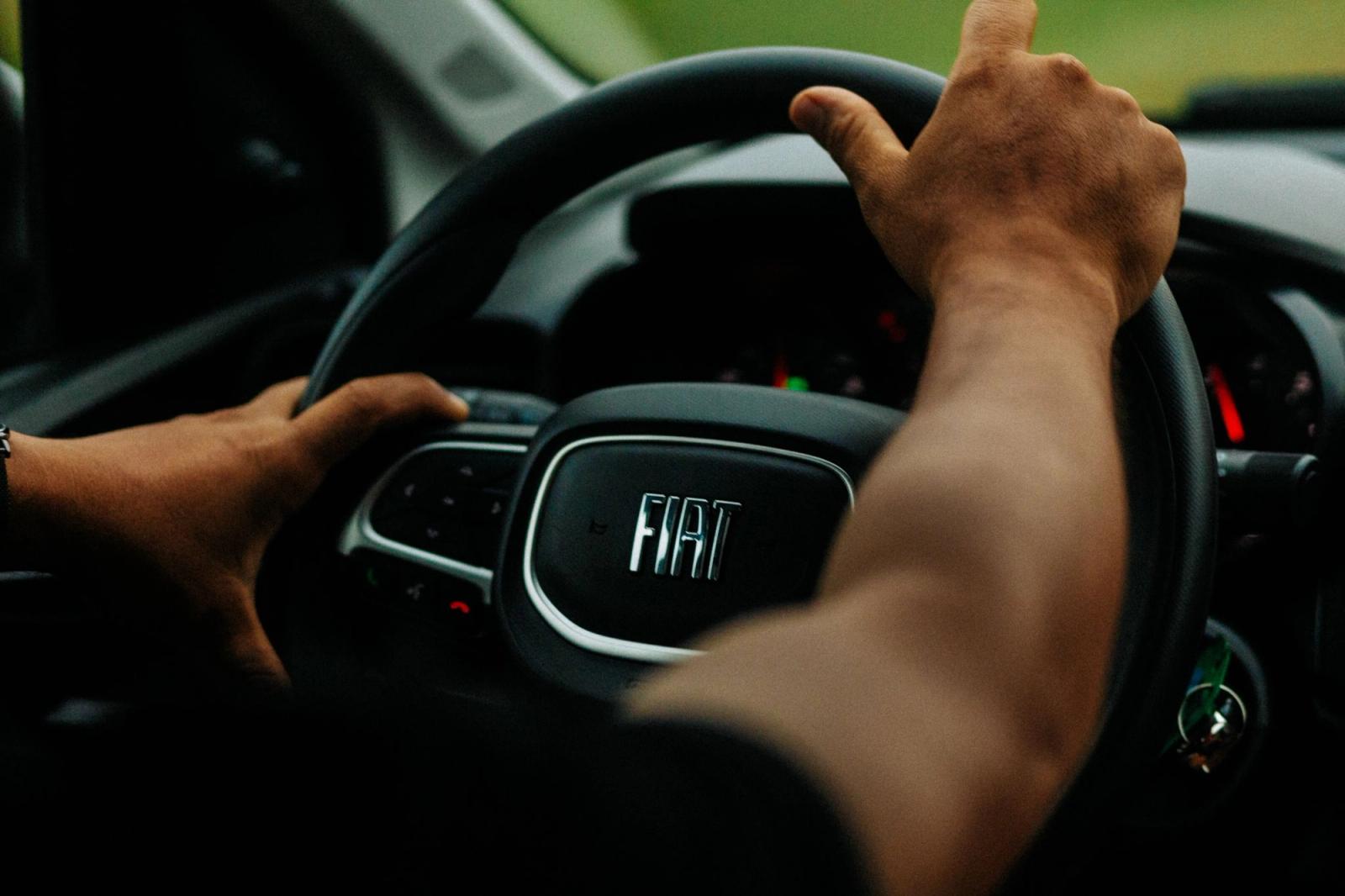
With a learner permit in New York City, you can only drive with a supervising driver who is at least 21 and licensed for the vehicle, and never on streets inside a city park, on bridges or tunnels run by the Triborough Bridge and Tunnel Authority, or in a DMV road test area. If you're under 18 (a junior permit), the rules get much stricter: in the five boroughs you can drive only from 5 AM to 9 PM, only with a parent, guardian, driver education teacher or driving school instructor, and only in a car with dual controls (dual brakes).
That last rule surprises a lot of NYC teens. Here's how each restriction works, who can sit next to you, and what the practice hour requirement looks like when you live in the city.
Who can supervise you with a learner permit in NYC?
Every permit holder in New York, at any age, needs a supervising driver in the car. According to the NY DMV, that person must:
- Be at least 21 years old
- Have a license valid for the vehicle you're driving (for example, only someone with a motorcycle license can supervise a motorcycle learner)
- Sit in the front seat with you, per the New York State Driver's Manual
If you're under 18 and driving in any of the five boroughs, the list of who can supervise you is shorter. The DMV says it must be your:
- Parent
- Guardian
- Person "in loco parentis" (someone who has taken on a parent's role on a regular, extended basis because a parent has died, is disabled or is absent)
- Driver education teacher
- Driving school instructor
That means an older sibling, a cousin or a family friend can't supervise a junior permit holder in NYC, even if they're over 21 and licensed. This is different from upstate New York, where any licensed driver 21 or older can supervise during the day, and from Long Island, where a parent can authorize another supervising driver in writing. NYC has no written-authorization option on the DMV's list.
Do you need a car with dual brakes to practice in NYC?
Yes, if you're under 18. The DMV's New York City rules for junior learner permits require that the vehicle being driven has dual controls (dual brakes). A dual-brake car has a second brake pedal on the passenger side, which is standard in driving school cars.
In practice, that means a typical family car without a passenger-side brake doesn't meet the rule for a junior permit holder driving in the five boroughs, even with a parent in the passenger seat.
The DMV acknowledges this is a real limit. On its graduated license page, it says junior permit holders who plan to drive a lot in New York City should consider delaying their road test until they turn 18, so they get more practice with approved supervising drivers in dual-control vehicles.
The dual-control rule appears in the DMV's NYC section for junior permits. The DMV's restrictions page doesn't list it among the rules for adult (18+) permit holders.
What hours can you drive with a learner permit in NYC?
For junior permit holders (under 18) in the five boroughs:
- 5 AM to 9 PM: You can drive, but only with one of the approved supervisors above, in a dual-control car, and following the passenger rules below.
- 9 PM to 5 AM: You cannot drive in any of the five boroughs under any circumstances.
There's no exception for a parent in the car, work or school. The DMV's wording is plain: no driving in NYC between 9 PM and 5 AM with a junior permit.
Compare that to upstate New York, where a junior permit holder can drive at night as long as the supervisor is a parent, guardian, person in loco parentis, driver education teacher or driving school instructor. Long Island (Nassau and Suffolk) is the same as NYC at night: no driving from 9 PM to 5 AM.
If you're 18 or older, the DMV's restrictions page doesn't list a time-of-day limit for your permit. You still need a qualified supervising driver every time you drive. For a state-by-state look at night rules, see can you drive at night with a learner's permit.
Where can't you drive with a learner permit in NYC?
These restrictions apply to every learner permit holder, no matter your age. According to the NY DMV, you may not drive:
- On any street within a park in New York City
- On any bridge or tunnel under the jurisdiction of the Triborough Bridge and Tunnel Authority
- In a DMV road test area
- On the Cross County, Hutchinson River, Saw Mill River or Taconic State parkways in Westchester County (this one matters if your practice drives leave the city heading north)
The DMV doesn't publish a list of which specific bridges and tunnels fall under the Triborough Bridge and Tunnel Authority. Before you plan a practice route that crosses water, check with the DMV or the agency that runs the crossing. Not every bridge in the city is covered, but the DMV page doesn't say which ones are and aren't, so we're not going to guess.
The road test area rule is easy to miss. You can't use the streets where the DMV gives road tests as your practice course while you hold a permit.
Who can ride with you as a passenger?
For junior permit holders in NYC, the DMV sets these passenger rules:
- The only person in the front seat is your supervising driver.
- No more than one passenger under 21, unless they're members of your immediate family. You can carry more than one passenger under 21 only if your supervisor is your licensed parent, guardian, person in loco parentis, driver education teacher or driving school instructor. (In NYC, your supervisor has to be one of those people anyway.)
- Every passenger wears a seat belt, one belt per person.
- Children under 4 ride in a federally approved child safety seat. A child over 40 pounds must use a proper child restraint such as a booster seat.
- Until their 8th birthday, children must use a proper child restraint system. Children taller than 4 feet 9 inches can use a seat belt and shoulder harness.
How many practice hours do you need before the road test?
If you have a junior learner permit (Class DJ or MJ), you need at least 50 hours of supervised practice driving, including at least 15 hours after sunset, before you take your road test. Your parent or guardian signs the Certification of Supervised Driving (MV-262), and you bring it to the road test.
A few details from the DMV that matter here:
- Hours you drive with a certified driver education course or a licensed driving school instructor count toward the 50, and the school can certify them on the MV-262 form.
- The DMV's driver's manual also recommends that at least 10 of those hours be in moderate to heavy traffic. That one is a recommendation, not a requirement.
- If you're under 18, you must hold your permit for at least six months before you can take the road test. (More on waiting periods in how long you have to have your permit before your license.)
The MV-262 form says the parent certifies that any hours not done with an instructor followed "any regional restrictions applicable to driving with a junior learner permit in that area." So hours driven in NYC count only if they followed the NYC rules: an approved supervisor, a dual-control car, and between 5 AM and 9 PM.
Put that next to the night rule and you get a scheduling puzzle: in the five boroughs, your 15 after-sunset hours have to fit between sunset and 9 PM. Hours driven in other regions follow that region's rules. A simple driving log helps you track where and when each session happened.
Every new driver also has to complete the 5-hour Pre-Licensing Course (or a 48-hour driver education program) before the road test. We cover that in our New York 5-hour course guide.
What happens after you pass the road test in NYC?
This is where NYC is very different from the rest of the state. If you pass your road test while you're under 18, you get a junior license (Class DJ or MJ). According to the DMV:
> If you have a Class DJ or MJ junior license, you cannot drive within the five boroughs of New York City under any circumstances.
So a junior license lets you drive upstate and, with limits, on Long Island, but not in the city at all. There's one exception: a 17-year-old who completed a State Education Department approved driver education course, turned in the Student Certificate of Completion (MV-285), and received a Class D (adult) license can drive anywhere in New York State without those restrictions.
That's why the DMV suggests that teens who plan to drive mostly in the city wait until 18 for the road test.
What are the penalties for breaking permit rules?
For junior permit holders, the DMV lists these penalties:
- 1 serious traffic violation or 2 other violations while holding a junior permit: permit privileges suspended for 60 days. A "serious traffic violation" is normally one that carries three or more points.
- The same violations within 6 months after your privileges are restored: permit privileges revoked for 60 days.
- First cell phone or texting conviction: permit suspended for 120 days.
- Second cell phone or texting conviction within six months after the permit is restored: revocation of at least one year for a Class DJ or MJ learner permit.
Can you drive outside NYC or New York with your permit?
You can drive outside New York State with your permit if the other state's laws allow it, and you have to follow that state's permit rules. The DMV says to check with the police or motor vehicle authorities in the state you're visiting. Our guide to driving out of state with a learner's permit covers this in more detail.
Inside New York, the rules change with the region. Drive from Manhattan into Westchester and you're under upstate rules (plus the Westchester parkway ban). Drive into Nassau County and you're under Long Island rules.
If you have a permit from another state and you're 16 or older, you must follow your home state's restrictions and New York's rules, including the NYC regional rules if you're under 18. If you're under 16, you can't drive in New York State at all, even with another state's permit.
How do you get the permit in the first place?
You need to pass the New York written permit test first. We break down the format, scoring and what's on it in New York DMV written test: how the permit test works. To get ready, you can take practice tests to study for your permit test, including ones built from the New York driver's manual.
Sources
- Learner Permit Restrictions (New York State DMV)
- The Graduated License Law and Restrictions for Drivers Under 18 (New York State DMV)
- Complete Pre-Licensing Requirements (New York State DMV)
- Certification of Supervised Driving, MV-262 (New York State DMV)
- New York State Driver's Manual and Practice Tests, Chapter 1: Driver Licenses (New York State DMV)
- Get Your Learner Permit and First Driver License (New York State DMV)
Free permit practice test for your state
Ready to check what you know? Take a free 10-question test from your state's driver handbook, with every answer explained. No sign-up needed. See questions and pass marks for every state.
- Alabama
- Alaska
- Arizona
- Arkansas
- California
- Colorado
- Connecticut
- Delaware
- Florida
- Georgia
- Hawaii
- Idaho
- Illinois
- Indiana
- Iowa
- Kansas
- Kentucky
- Louisiana
- Maine
- Maryland
- Massachusetts
- Michigan
- Minnesota
- Mississippi
- Missouri
- Montana
- Nebraska
- Nevada
- New Hampshire
- New Jersey
- New Mexico
- New York
- North Carolina
- North Dakota
- Ohio
- Oklahoma
- Oregon
- Pennsylvania
- Rhode Island
- South Carolina
- South Dakota
- Tennessee
- Texas
- Utah
- Vermont
- Virginia
- Washington
- West Virginia
- Wisconsin
- Wyoming