

Moving to a New State? How to Transfer Your Driver's License
To transfer your driver's license, apply in person at your new state's DMV within its deadline, surrender your old license and bring ID papers.
Bianca Galvan
Product & Content at GetMyPermit
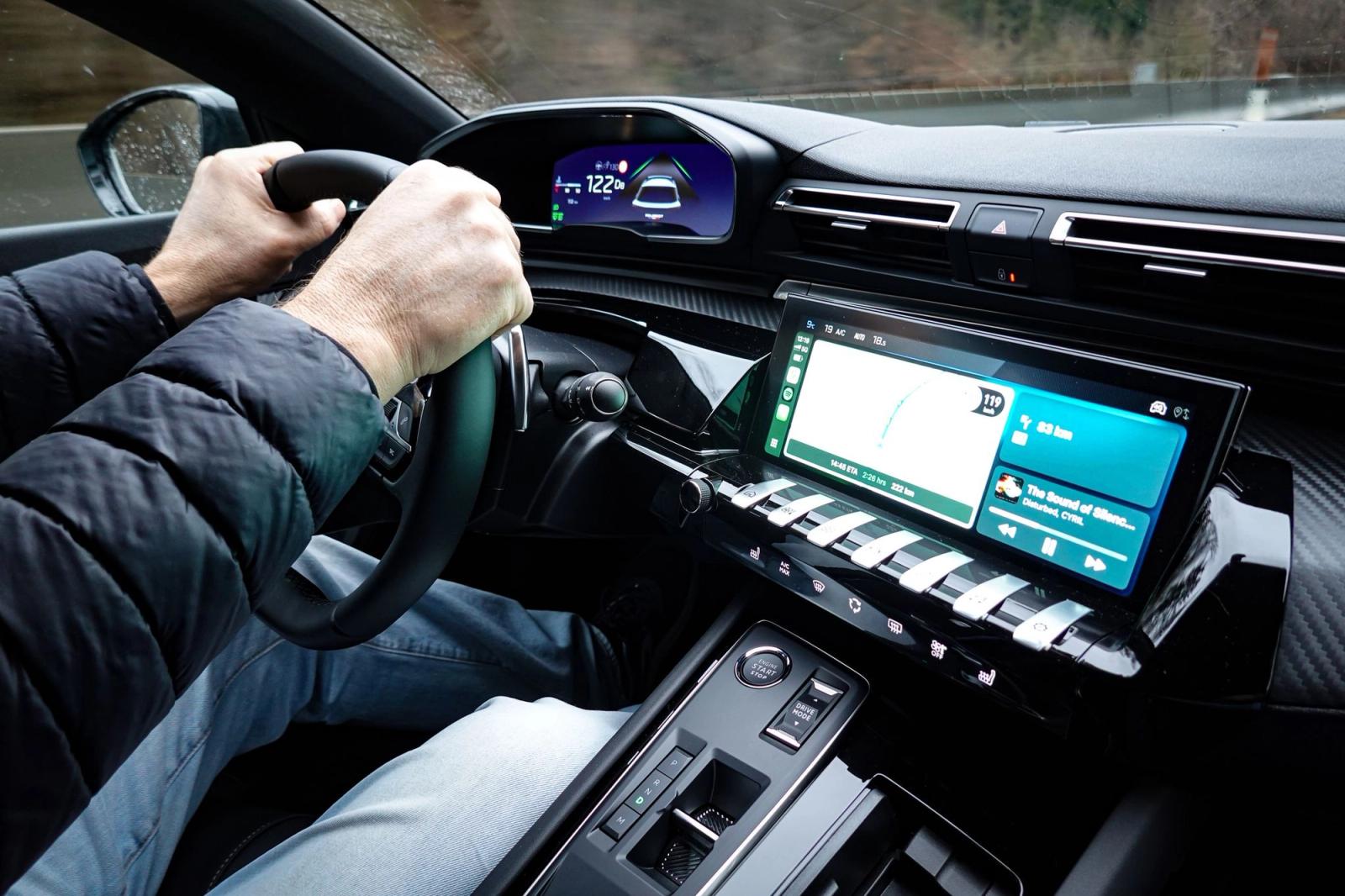
To transfer your driver's license to another state, you apply in person at your new state's DMV (or MVC, DPS or PennDOT) before its new-resident deadline. In California, that deadline is just 10 days. You usually hand in your old license, show proof of identity, residency and your Social Security number, and pass a vision test. Many states skip the road test for a valid license, but some still give you a written test. Your car is a separate step with its own deadline.
The details change a lot from state to state, so below are real examples from official state pages. Always check your new state's own DMV site before you go.
How long do you have to transfer your license after moving?
Every state sets its own deadline, and the clock usually starts when you become a resident, not when your old license expires. Here are examples from official sources:
- California: 10 days. The California DMV says that if you become a California resident, you must get a California license within 10 days. It counts things like voting in a California election or paying resident tuition as signs that you're a resident.
- Texas: 90 days. The Texas DMV says new residents must get a Texas driver license from the Texas Department of Public Safety (DPS) within 90 days.
- Florida: 30 days. Florida law says a nonresident who starts a job in Florida or enrolls children in Florida public schools must get a Florida license within 30 days if they drive on Florida roads. Spouses and dependent children who drive have the same 30 days.
- New York: 30 days. The New York DMV says you must exchange your license within 30 days of becoming a New York resident.
- Pennsylvania: 60 days. PennDOT says new residents with a non-commercial out-of-state license must get a Pennsylvania license within 60 days.
- New Jersey: 60 days. The New Jersey MVC says you must transfer your license within 60 days of your move, or before your current license expires, whichever comes first.
If your state isn't on this list, search for "new residents" on its DMV website. The deadline is almost always on that page. If you're moving from another country instead of another state, the rules are different: see Can You Drive in the US With a Foreign Driver's License?
What do you need to bring to transfer your license?
The exact list depends on the state, but most ask for the same four things.
- Your out-of-state license. Most states keep it. New York says to "bring and surrender your out-of-state license." Pennsylvania and New Jersey also require you to surrender it.
- Proof of identity. California asks for an original or certified identity document, and the name on it has to match your current name. Pennsylvania asks for proof of identity. New Jersey uses its 6 Points of ID system, where each document is worth a set number of points.
- Your Social Security number. California requires your SSN on the application. Pennsylvania asks for your Social Security card.
- Proof of residency in your new state. This shows you actually live there now. California asks for 1 residency document for a standard license and 2 for a REAL ID compliant license, and every document must show your name and the same address as your application.
Many new residents use the move to get a REAL ID, which needs extra documents. If you're not sure whether your current card is one, read How Do I Know If I Have a REAL ID? before your visit, so you can bring everything in one trip.
Also check how old your license can be. Some states only transfer a license that is current or only recently expired:
- Pennsylvania: your license must be valid, or expired for six months or less. If it expired longer ago, you need a Pennsylvania learner's permit and both the knowledge and skills tests.
- New York: your license must have your photo, be valid or expired less than 24 months, and have been issued at least 6 months before you apply.
- New Jersey: the test waiver applies to a valid license in good standing.
Most of these transfers happen in person. New York says the exchange can only be done in person, Pennsylvania says to apply at a Driver License Center, and New Jersey license transfers are by appointment.
Do you have to retake the driving test when you move?
Usually not, if your license is valid. In the states below, the road test is not part of a standard transfer for a valid out-of-state license. The vision test is the one you'll almost always take, and a few states still give a written knowledge test.
Vision test
Expect an eye test at the counter in most states:
- California: you must pass a vision exam.
- New York: you pass a vision test at the DMV, or bring a completed Eye Test Report (MV-619).
- Pennsylvania: you pass a vision test and fill out Form DL-180R.
- Florida: state law lists an eyesight test and a hearing test as parts of the exam for a regular (Class E) license, and the waiver for out-of-state drivers covers only the knowledge, endorsement and skills tests.
Knowledge (written) test
This is where states differ most:
- New Jersey: knowledge and road tests are waived for a qualifying valid license.
- Pennsylvania: new residents with the right out-of-state license don't need a knowledge test.
- Florida: state law says the department may waive the knowledge, endorsement and skills tests when you surrender a valid license from another state.
- California: the California DMV lists passing the required knowledge test as a step for applicants with an out-of-state license, and you get three tries per test.
So if you're moving to California, plan to study the California rules of the road before your DMV visit. Even in states that waive the test, rules like speed limits, right turns on red and school zones can be different from what you're used to. Free practice tests to study for your permit test are an easy way to catch those differences in a few minutes. The How to Study for the Permit Test guide also works for experienced drivers facing a new state's handbook.
Road test
For most drivers transferring a valid license, the road test is waived. New Jersey says so directly. The road test usually comes back when your license has been expired too long (as in the Pennsylvania rule above) or when you're coming from another country. For a full breakdown of which test applies to you, see What Driving Test Do I Need to Take?
How do you register your car in a new state?
Your car has its own deadline, and it can be shorter than the license deadline. In Pennsylvania, for example, you have 60 days for the license but only 20 days for the car.
Registration deadlines
- California: 20 days after you become a resident or bring the vehicle into the state.
- Texas: 30 days from the time you move.
- New York: 30 days for a vehicle you'll drive on New York roads after becoming a resident.
- Pennsylvania: 20 days after moving to Pennsylvania.
- New Jersey: 60 days, with or without a lien.
What you usually need
Most states ask for some mix of these:
- Your out-of-state title. Pennsylvania asks for a valid title issued in your name by your previous state. California asks for the last issued out-of-state title, and if you don't turn it in, your California registration is marked "Nontransferable."
- Insurance from your new state. New York says it will never accept out-of-state insurance for a vehicle registered in New York. Pennsylvania asks for proof of Pennsylvania insurance, and Texas asks for your insurance card and proof you own the vehicle.
- A VIN check. California requires a Verification of Vehicle (REG 31) form completed by an authorized DMV employee, law enforcement officer or licensed vehicle verifier. Pennsylvania accepts a tracing of the VIN or verification by an inspection mechanic or notary public.
- An inspection. Texas requires a passing emissions inspection before you register if you live in one of its listed emissions counties. California requires a smog certification for most gas-powered vehicles from 1976 and newer. Pennsylvania says a newly registered vehicle must pass a safety inspection within ten days.
- The application form. Examples include California's REG 343, Texas's Form 130-U and New York's MV-82.
In Texas, you register at your local county tax assessor-collector office, not at a DPS driver license office.
What if your car is leased or financed?
If you still owe money on the car or lease it, your lender or leasing company holds the title, so they have to be part of the paperwork:
- California: for leased vehicles, the signature of the lessor (the leasing company) is required on the registration application.
- Pennsylvania: the leasing company must also complete Form MV-1L. If the car is financed, your current lienholder may ask you to refinance the balance or pay the loan in full.
- New Jersey: if your car is financed or leased, you send Form OS/SS-54 to have the title released from the lienholder, and titles for leased vehicles are mailed to the leasing company or lienholder.
Call your leasing company or lender as soon as you know your move date. Getting their documents can take longer than the DMV visit itself.
What's the best order to do everything?
A simple plan that works in most states:
- Look up both deadlines (license and car) on your new state's DMV site the week you move.
- Get insurance in your new state if your state requires it, since registration often depends on it.
- Gather your documents: old license, identity document, Social Security proof and residency documents (California asks for two if you want a REAL ID).
- Ask your lender or leasing company for any title or lease paperwork.
- Book an appointment if your state uses them, and study the new state's rules if a knowledge test is required.
- Transfer your license, then register the car and complete any inspection.
State-specific practice tests:
- California practice test
- Texas practice test
- Florida practice test
- New York practice test
- Pennsylvania practice test
- New Jersey practice test
Sources
- Fast Facts 5: Requirements for a California Driver License (California DMV)
- Driver's Licenses (California DMV)
- New California Resident Portal (California DMV)
- How To 9: Register a Vehicle From Out of State (California DMV)
- New to Texas (Texas Department of Motor Vehicles)
- Florida Statutes 322.031: Nonresident; when license required (Florida Legislature)
- Florida Statutes 322.12: Examination of applicants (Florida Legislature)
- Exchange an Out-of-State Driver License (New York DMV)
- Moving to or from New York State (New York DMV)
- Register an Out-of-State Vehicle (New York DMV)
- Transfer a Driver's License from Another State (PennDOT)
- Transfer Vehicle Registration from Another State (PennDOT)
- Moving to New Jersey (New Jersey Motor Vehicle Commission)
Free permit practice test for your state
Ready to check what you know? Take a free 10-question test from your state's driver handbook, with every answer explained. No sign-up needed. See questions and pass marks for every state.
- Alabama
- Alaska
- Arizona
- Arkansas
- California
- Colorado
- Connecticut
- Delaware
- Florida
- Georgia
- Hawaii
- Idaho
- Illinois
- Indiana
- Iowa
- Kansas
- Kentucky
- Louisiana
- Maine
- Maryland
- Massachusetts
- Michigan
- Minnesota
- Mississippi
- Missouri
- Montana
- Nebraska
- Nevada
- New Hampshire
- New Jersey
- New Mexico
- New York
- North Carolina
- North Dakota
- Ohio
- Oklahoma
- Oregon
- Pennsylvania
- Rhode Island
- South Carolina
- South Dakota
- Tennessee
- Texas
- Utah
- Vermont
- Virginia
- Washington
- West Virginia
- Wisconsin
- Wyoming